
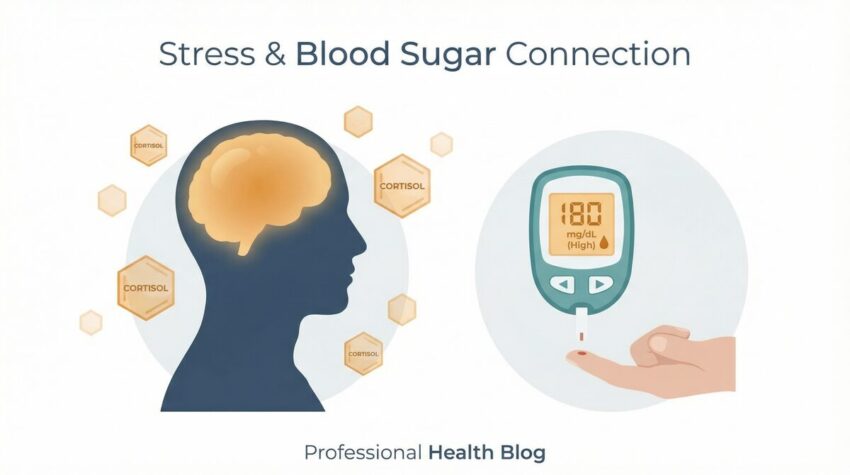
Living with diabetes often means carefully managing various aspects of your health, and one significant, yet sometimes overlooked, factor is stress. While stress is a normal part of life, its chronic presence can have a profound impact on your blood sugar levels, primarily through the action of a powerful hormone called cortisol. Understanding this intricate connection is crucial for effective diabetes management and overall well-being.
Understanding Stress and Your Body’s Response
Stress is your body’s natural reaction to perceived threats or demands. When you encounter a stressful situation, your body initiates a complex physiological response, often referred to as the “fight or flight” mechanism. This ancient survival instinct prepares you to either confront the threat or flee from it. Key to this response are hormones released by your adrenal glands, including adrenaline (epinephrine) and cortisol.
The Role of Cortisol: Your Body’s Stress Hormone
Cortisol, often dubbed the primary stress hormone, plays a vital role in regulating many bodily functions, including metabolism, immune response, and blood pressure. In a stressful situation, cortisol is released to provide your body with a quick burst of energy. It achieves this by signalling your liver to produce more glucose (sugar) and by making your cells temporarily less sensitive to insulin. This ensures that readily available energy is supplied to your muscles and brain to handle the perceived threat.
ℹ️ How Cortisol Raises Blood Sugar
When cortisol levels rise, your liver increases glucose production, and your body’s cells become more resistant to insulin. This dual action leads to higher blood sugar levels, providing a quick energy boost during stressful times.
Chronic Stress and Its Impact on Blood Sugar
While acute stress responses are beneficial for survival, prolonged or chronic stress can be detrimental, especially for individuals with diabetes. When stress is ongoing, cortisol levels remain elevated for extended periods. This sustained elevation can lead to:
- Increased Glucose Production: The liver continues to release more glucose into the bloodstream.
- Insulin Resistance: Cells become persistently less responsive to insulin, meaning more insulin is needed to move glucose from the blood into the cells. For people with type 2 diabetes, who may already have insulin resistance, this can significantly worsen their condition. For those with type 1 diabetes, it can make blood sugar management more challenging, often requiring increased insulin doses.
- Weight Gain: Chronic cortisol can promote fat storage, particularly around the abdomen, which is linked to increased insulin resistance.
- Inflammation: Sustained stress can contribute to chronic inflammation, further impacting insulin sensitivity.
The Vicious Cycle: Diabetes Management and Stress
The relationship between stress and diabetes can become a vicious cycle. The daily demands of managing diabetes – monitoring blood sugar, adhering to medication schedules, planning meals, and exercising – can themselves be significant sources of stress. This stress, in turn, can elevate cortisol, leading to higher blood sugar levels, which then makes diabetes management even more challenging and potentially more stressful. It’s a cycle that requires conscious effort to break.
⚠️ Warning: Unmanaged Stress Risks
Ignoring chronic stress can lead to consistently high blood sugar levels, increasing the risk of diabetes complications such as nerve damage (neuropathy), kidney disease (nephropathy), and eye problems (retinopathy).
Practical Strategies for Managing Stress
Effectively managing stress is a powerful tool in your diabetes care arsenal. Here are some practical strategies:
- Mindfulness and Relaxation Techniques: Practices like deep breathing exercises, meditation, yoga, and progressive muscle relaxation can help calm your nervous system and reduce cortisol levels. Even a few minutes a day can make a difference.
- Regular Physical Activity: Exercise is a fantastic stress reliever. It helps your body use glucose for energy and can improve insulin sensitivity. Aim for at least 30 minutes of moderate-intensity activity most days of the week.
- Prioritise Quality Sleep: Lack of sleep can elevate stress hormones and negatively impact blood sugar control. Aim for 7-9 hours of quality sleep per night. Establish a regular sleep schedule and create a relaxing bedtime routine.
- Healthy Eating Habits: A balanced diet rich in whole foods, fruits, vegetables, and lean proteins can support overall health and help stabilise blood sugar. Avoid excessive caffeine and sugary foods, which can exacerbate stress.
- Connect with Others: Sharing your feelings and experiences with trusted friends, family, or a support group can reduce feelings of isolation and provide emotional relief.
- Time Management and Prioritisation: Learning to manage your time effectively and setting realistic expectations can reduce feelings of overwhelm. Don’t be afraid to say no to new commitments if your plate is already full.
- Engage in Hobbies: Make time for activities you enjoy, whether it’s reading, gardening, listening to music, or spending time in nature. Hobbies provide a mental break and can significantly reduce stress.
When to Talk to Your Doctor
If you find that stress is consistently impacting your blood sugar levels, or if you are struggling to cope with stress, it’s important to speak to your doctor or diabetes care team. They can offer personalised advice, suggest stress management resources, or refer you to a mental health professional who can provide further support.
✅ Key Takeaway
Stress, particularly chronic stress, can significantly affect blood sugar levels through the hormone cortisol, leading to increased glucose production and insulin resistance. Recognising the impact of stress and actively implementing stress management techniques are vital components of effective diabetes care and overall health. Don’t hesitate to seek support from your healthcare team if stress becomes overwhelming.
 English
  Urdu
Urdu