
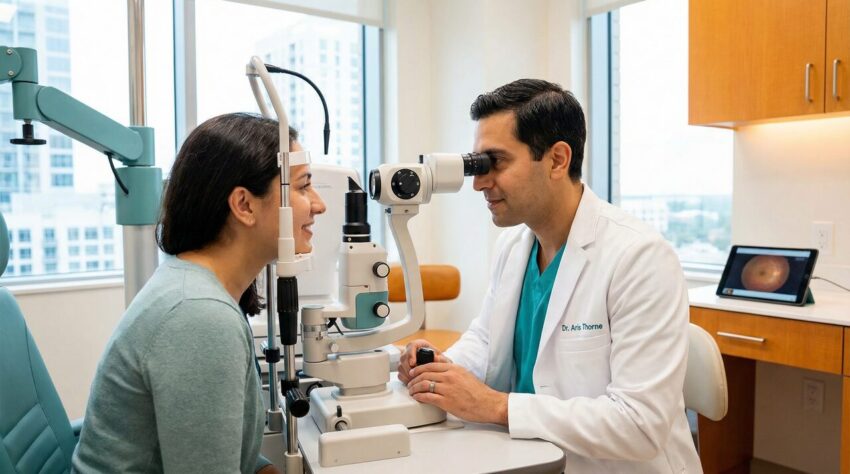
The retina is a sensitive layer at the back of your eye responsible for capturing light and enabling vision. Because it plays such a vital role, any problems that affect the retina can seriously damage your eyesight and could even lead to permanent blindness if left untreated. Although general eye doctors handle a variety of common eye issues, retina specialists have in-depth training focused on diagnosing and managing complex retinal disorders. Knowing when to reach out to these experts is essential for protecting your vision and ensuring the best possible outcomes.
What Exactly Does a Retina Specialist Do?
ℹ️ The Role of a Retina Specialist
A retina specialist is an ophthalmologist who has gone through additional years of specialized training beyond the standard eye doctor education. After finishing their ophthalmology residency, they complete a fellowship lasting one or two years, focusing on diseases and surgeries involving the retina and the vitreous gel inside the eye. This extra education allows them to handle complicated retinal problems that often require advanced technology for diagnosis and cutting-edge treatments. Their skills are especially important for conditions that worsen over time, threaten sight, or fail to respond to regular therapies.
Conditions That Should Prompt a Visit to a Retina Specialist
A variety of eye and systemic health issues call for evaluation by a retina specialist. Some of the most common and serious include:
Diabetic Retinopathy
Diabetic retinopathy is a leading cause of vision loss in adults of working age. It occurs when diabetes damages the tiny blood vessels in the retina. Patients with long-term or poorly controlled diabetes are particularly vulnerable. Seeing a retina specialist is vital in cases such as:
- Proliferative Diabetic Retinopathy (PDR): This advanced form involves abnormal blood vessel growth in the retina and vitreous, which may bleed and cause traction that pulls the retina away from its normal position. Immediate treatment, often including laser therapy or injections that block growth factors (anti-VEGF), is necessary to prevent further damage.
- Clinically Significant Macular Edema (CSME): Swelling near the center of the retina can seriously affect sharp vision. Treatments typically involve anti-VEGF injections or targeted laser therapy.
- Severe Non-Proliferative Diabetic Retinopathy: This stage indicates a high risk for progressing to proliferative retinopathy, requiring close monitoring and possibly preventive treatment.
Age-Related Macular Degeneration (AMD)
AMD is a common cause of central vision loss in people over 50. It damages the macula, the area responsible for detailed vision. There are two primary types:
- Wet AMD: This aggressive variant is marked by the growth of leaky, abnormal blood vessels beneath the retina, leading to rapid vision decline. Timely anti-VEGF injections from a retina specialist can help stabilize vision.
- Dry AMD with Geographic Atrophy: Although this form develops more slowly, the death of retinal cells can cause significant vision problems. Regular specialist monitoring and the consideration of new therapies are important.
Retinal Detachment and Tears
A retinal detachment occurs when the retina pulls away from its supporting tissue, posing a risk of permanent vision loss if not treated immediately. Common warning signs include the sudden appearance of many floaters, flashes of light, or a dark curtain blocking part of your vision. Retinal tears often happen first and require urgent treatment, commonly with laser or freezing techniques, to prevent detachment.
Retinal Vascular Occlusions
These happen when blood flow is blocked in retinal vessels, suddenly causing painless vision loss:
- Retinal Vein Occlusion (RVO): Blockage leads to blood and fluid leaking into the retina, often treated with anti-VEGF injections or laser therapy.
- Retinal Artery Occlusion (RAO): This serious condition cuts off arterial blood supply and can cause severe, lasting vision loss. Immediate assessment is critical to try restoring blood flow and to investigate underlying health issues.
Macular Hole and Epiretinal Membrane
- Macular Hole: A small break in the central retina that can blur or distort vision is often treated surgically through a vitrectomy.
- Epiretinal Membrane: Scar tissue forming on the retina’s surface can warp vision. Surgery may be needed if the vision is significantly affected.
Other Important Cases
Additional situations warranting specialized retinal care include severe eye injuries, foreign bodies inside the eye, certain infections or inflammation affecting the retina like uveitis, and inherited retinal disorders.
When You Should Seek Urgent Care
✅ Urgent Symptoms to Watch For
If you experience any of these symptoms, seek immediate attention from an eye care provider who may direct you to a retina specialist:
- Sudden new appearance of floaters or flickering lights
- Rapid loss or decrease of vision in one or both eyes
- A shadow or curtain moving across your field of vision
- Central vision becoming wavy or distorted
- Eye pain combined with changes in vision
✅ Key Takeaway
Seeing a retina specialist promptly can make a tremendous difference in saving your sight when dealing with complicated retinal diseases. Regular eye exams, especially for those with diabetes or other risk factors, help catch problems early. Recognizing warning signs and obtaining timely specialized care not only protects vision but also improves long-term quality of life.
 English
  Urdu
Urdu