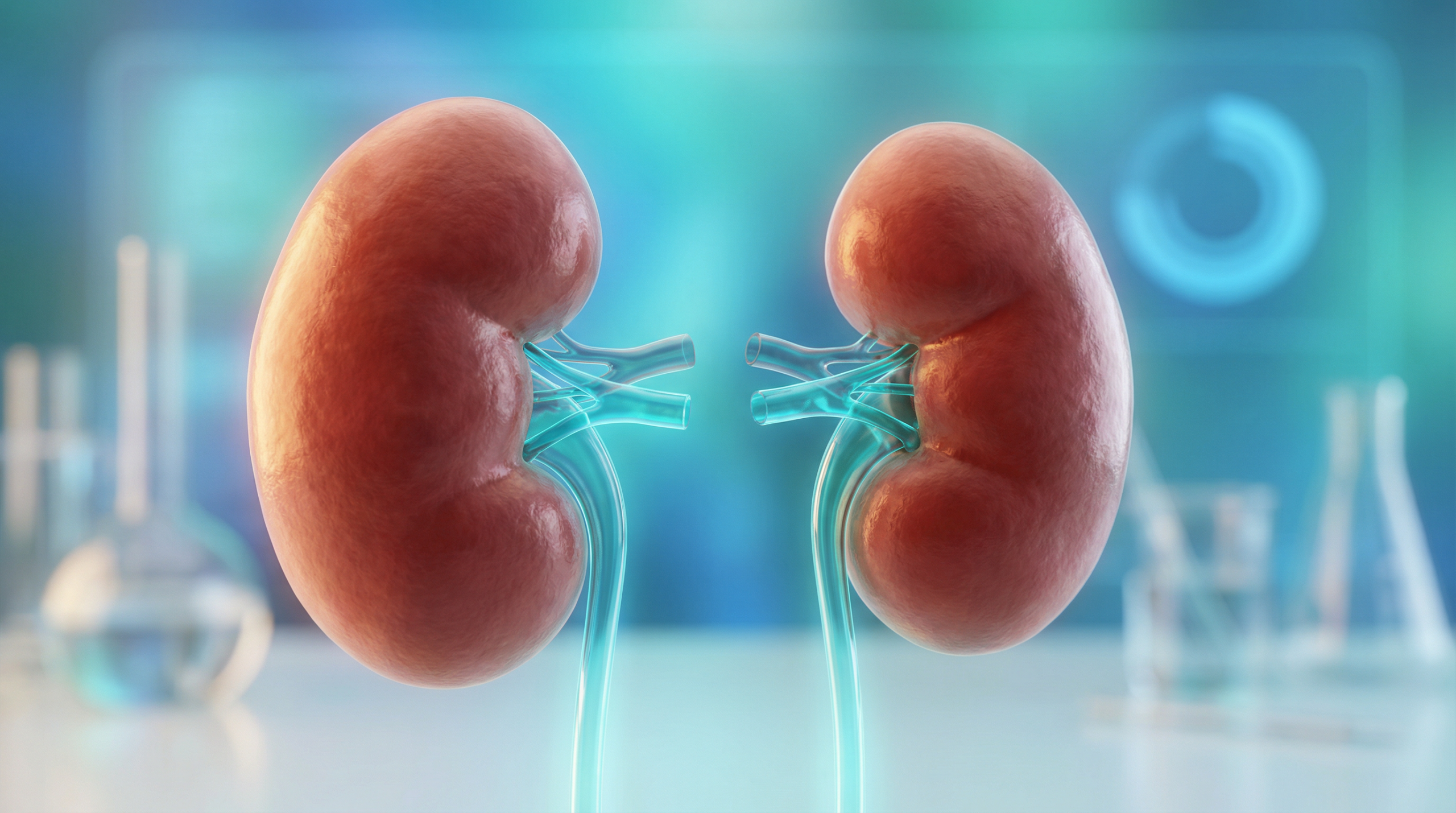
World Kidney Day is a useful reminder, but kidney protection with diabetes is not a one-day task. The most effective work happens in routine checks and small prevention steps across the year.
Quick summary
For people with diabetes, kidney protection usually means tracking UACR, eGFR, blood pressure, glucose, medicines, smoking status, and nutrition guidance.
Key takeaways
- Kidney disease can develop quietly.
- UACR and eGFR are the key screening tests.
- Blood pressure control is central to kidney protection.
- Some medicines can protect kidneys in selected people, while others may need caution.
The annual kidney check
A strong kidney check includes a urine albumin test and a blood eGFR result. These tests answer different questions: whether kidneys are leaking protein and how well they are filtering.
If either result is abnormal, the next step is usually repeat testing, risk review, and a plan to protect kidney function.
What protects the filters
- Keep blood pressure in the range your clinician recommends.
- Review glucose targets and patterns.
- Ask whether an ACE inhibitor, ARB, SGLT2 inhibitor, or other therapy fits your situation.
- Avoid repeated NSAID use unless your clinician says it is safe for you.
- Stop smoking if you smoke, and ask for support if needed.
Practical takeaway
Use World Kidney Day as a prompt to check whether your UACR and eGFR are up to date. Prevention is easier when changes are found early.
Safety note
This article is not a substitute for medical care. Seek urgent care for severe swelling, chest pain, severe shortness of breath, confusion, very high blood pressure with symptoms, or rapidly worsening illness.
What to ask your care team
- What do my latest kidney numbers mean for my diabetes plan?
- Which symptoms, medicine changes, or test results should prompt urgent care?
- Do my blood pressure, glucose, nutrition, or medicine goals need adjustment?
Related reading
Source summary
- Diabetic Kidney Disease, National Institute of Diabetes and Digestive and Kidney Diseases. Patient guidance. Accessed June 5, 2026. Source
- Albuminuria, National Kidney Foundation. Patient guidance. Accessed June 5, 2026. Source
- Estimated Glomerular Filtration Rate, National Kidney Foundation. Patient guidance. Accessed June 5, 2026. Source
- Chronic Kidney Disease, MedlinePlus, National Library of Medicine. Patient guidance. Accessed June 5, 2026. Source