Diabetes Independence: Mastering Self-Management Skills Living with diabetes presents a unique set of challenges, yet it also offers a profound opportunity for individuals to cultivate resilience and achieve a high degree of independence through effective self-management. Diabetes independence is not merely about managing the condition; it is about empowering individuals to integrate diabetes care seamlessly…

Author: FWA
Muscle Loss on GLP-1 Medications: How to Preserve Lean Mass
GLP-1 receptor agonists produce impressive weight loss, but a significant proportion of that weight can come from muscle rather than fat. Understanding how to minimise muscle loss while on these medications is essential for long-term metabolic health and functional capacity. The Muscle Loss Problem Clinical trials show that approximately 25–40% of weight lost on GLP-1…
Talking to Family About Your Diabetes: A Practical Guide
Talking to family members about your diabetes can be one of the most challenging aspects of living with the condition. Whether you are newly diagnosed or have had diabetes for years, finding the right words — and setting the right boundaries — can make a significant difference to your wellbeing and your relationships. How to…
Metformin: Still the Best First-Line Treatment for Type 2 Diabetes?
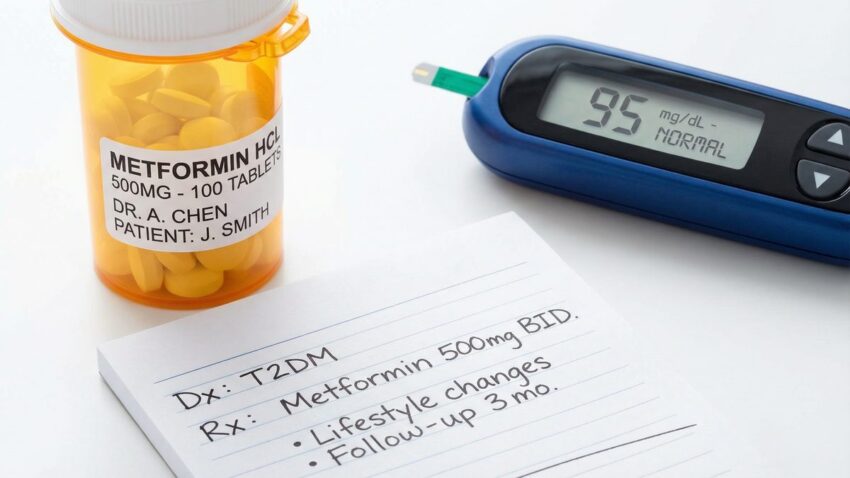
Metformin has been the cornerstone of Type 2 diabetes treatment for over 60 years. With newer, more glamorous medications capturing headlines, it is worth examining what metformin still does exceptionally well — and where its limitations lie. Why Metformin Has Remained First-Line The landmark UKPDS demonstrated that metformin reduces cardiovascular mortality in overweight people with…
Sleep and Blood Sugar: The Critical Connection You Cannot Ignore
Sleep is one of the most powerful yet underutilised tools in diabetes management. A single night of poor sleep can raise fasting blood glucose, increase insulin resistance, and trigger cravings for high-carbohydrate foods. Prioritising sleep quality is not optional; it is a clinical necessity. How Sleep Deprivation Affects Blood Sugar Sleep deprivation increases circulating levels…
Stem Cell Research and Type 1 Diabetes: How Close Are We to a Cure?
For decades, a cure for Type 1 diabetes has felt perpetually “ten years away”. But recent clinical trial results — particularly from Vertex Pharmaceuticals — suggest that stem cell therapy may finally be approaching a genuine breakthrough. Here is where the science currently stands. The Core Challenge: Replacing Beta Cells Type 1 diabetes results from…
How to Read CGM Graphs Like a Pro
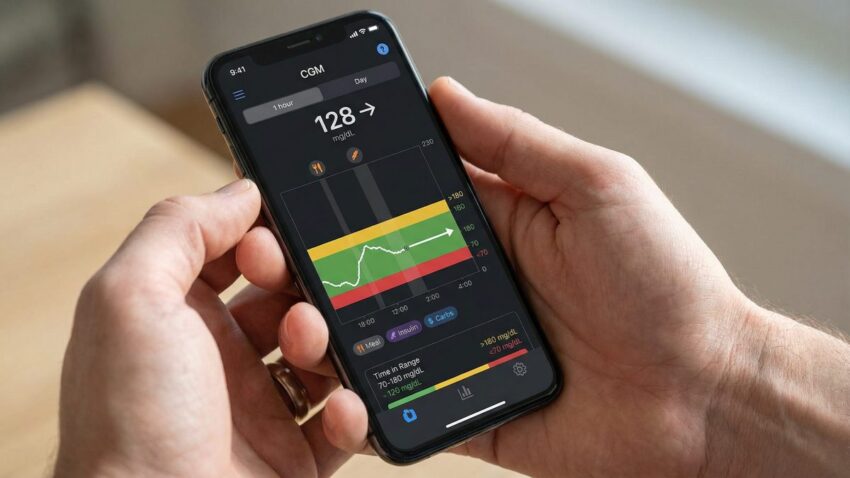
A continuous glucose monitor generates an enormous amount of data. Learning to interpret CGM graphs effectively transforms this data from a source of anxiety into a powerful tool for understanding your body and making better management decisions. Reading Trend Arrows Trend arrows indicate the direction and rate of change of your glucose level at any…
Type 2 Diabetes Stigma: Fighting Shame and Building Self-Advocacy
Type 2 diabetes carries a disproportionate burden of stigma — the false narrative that it is simply the result of poor lifestyle choices and therefore self-inflicted. This stigma is not only inaccurate; it is harmful. Understanding its origins and learning to challenge it are essential for both wellbeing and effective self-management. The Myth of Personal…
Exercise in Winter: Indoor Workout Ideas for People with Diabetes
Cold, dark winter days make it tempting to abandon exercise routines — but for people with diabetes, staying active is particularly important year-round. These indoor workout ideas require minimal equipment and are designed with blood sugar considerations in mind. Best Indoor Workouts for Diabetes Exercise Type Blood Sugar Effect Equipment Resistance band training Lowers glucose;…
The Gut Microbiome and Type 2 Diabetes: What the Research Shows
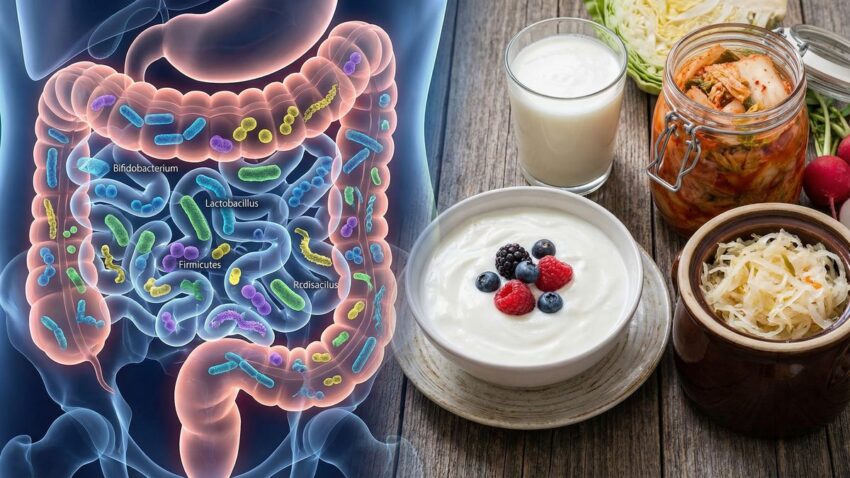
Emerging research is revealing a fascinating and clinically significant relationship between the trillions of bacteria living in the human gut and the development and management of Type 2 diabetes. Understanding this connection opens new avenues for dietary intervention. The Gut Microbiome and Insulin Resistance The human gut contains approximately 38 trillion bacteria. Research has consistently…