
Beat the Heat: How to Keep Your Insulin Safe and Effective in Warm Weather
As summer arrives with its long, sun-drenched days, it brings a unique set of challenges for individuals managing diabetes. Beyond the usual concerns of hydration and sun protection, a crucial, often overlooked, aspect is the proper storage of insulin. This vital medication is a protein with a delicate structure, making it highly susceptible to damage from high temperatures. When insulin is exposed to excessive heat, its effectiveness can be significantly compromised, leading to unpredictable blood sugar levels and potential health risks. This article provides a comprehensive guide to understanding why insulin is so sensitive to heat and offers practical, evidence-based strategies to ensure it remains potent and reliable throughout the warmest months of the year.
The Science Behind Insulin’s Sensitivity to Heat
To appreciate the importance of correct insulin storage, it helps to understand its molecular nature. Insulin is a complex protein, and its three-dimensional shape is essential for it to function correctly. When exposed to temperatures outside its recommended range, particularly heat, this structure can begin to break down in a process called denaturation. A denatured insulin molecule can no longer bind effectively to its receptors on cells, which means it cannot facilitate the transport of glucose from the bloodstream into the cells. The result is that the insulin becomes less effective, or in some cases, completely ineffective.
Regulatory bodies like the U.S. Food and Drug Administration (FDA) and professional organizations such as the American Diabetes Association (ADA) provide clear guidelines for insulin storage. Unopened insulin should be kept in a refrigerator at a temperature between 36°F and 46°F (2°C and 8°C). Once a vial or pen is in use, it can generally be stored at a controlled room temperature, typically between 59°F and 86°F (15°C to 30°C), for about 28 days, although this can vary by brand. Exposure to temperatures above this range, even for a short period, can start the degradation process, making it critical to protect insulin from the summer heat.
The Dangers of Using Heat-Damaged Insulin
Using insulin that has lost its potency due to heat exposure can have serious consequences for a person with diabetes. The most immediate risk is hyperglycemia (high blood sugar), which can occur because the insulin is not working as it should. This can lead to a range of problems, from the mild to the severe:
- Short-Term Complications: Persistently high blood sugar can lead to symptoms like increased thirst, frequent urination, and fatigue. In more severe cases, it can result in diabetic ketoacidosis (DKA), a life-threatening condition that requires urgent medical attention.
- Long-Term Health Issues: Over time, poor blood glucose control contributes to the development of long-term diabetes complications, such as nerve damage (neuropathy), kidney disease (nephropathy), and eye problems (retinopathy).
- Loss of Predictability: When you can’t rely on your insulin to work as expected, managing blood sugar becomes a frustrating guessing game, undermining the stability and confidence needed for effective diabetes self-management.
“The stability of insulin is a critical factor in diabetes management. Exposure to extreme temperatures can render it ineffective, turning a routine injection into a dose of uncertainty. Proper storage is not just a recommendation; it is a cornerstone of safe and effective therapy.”
Actionable Strategies for Protecting Your Insulin in the Heat
With a little planning, you can easily keep your insulin safe during hot weather. Here are some practical tips to follow:
1. Smart Storage at Home and On the Go
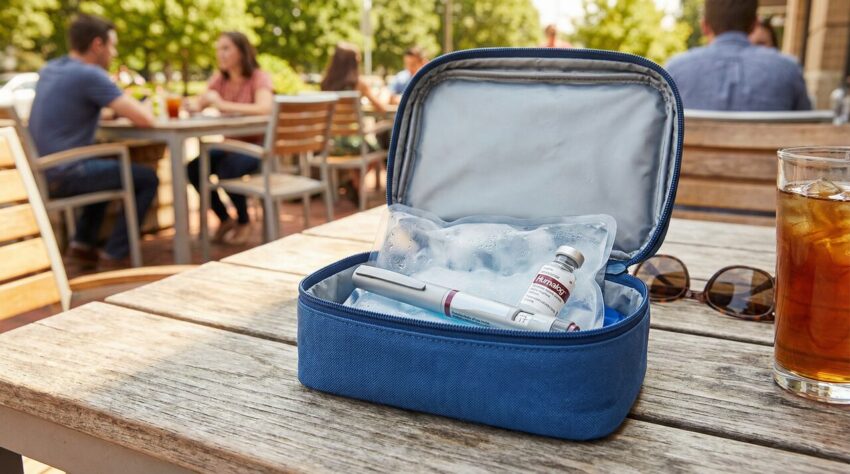
For your main supply of unopened insulin, the refrigerator is your best friend. However, be careful not to store it too close to the freezer compartment, as freezing also destroys insulin. For the insulin you are currently using, if you are just out for a few hours, an insulated bag is a great option. You can add a cold pack, but be sure to wrap the insulin in a cloth or keep it in a separate section of the bag to prevent it from coming into direct contact with the frozen pack.
2. Invest in Specialized Cooling Products
For longer trips, or if you live in a particularly hot climate, you may want to consider products specifically designed for keeping insulin cool. These include:
- Evaporative Cooling Wallets: Products like Frio wallets are activated by water and use the process of evaporation to keep insulin at a safe temperature for up to two days without needing refrigeration.
- Insulated Travel Cases: There are also various high-tech travel cases that use vacuum insulation or other technologies to maintain a cool environment for your insulin for extended periods.
3. Travel and Outdoor Activity Tips
When you are on the move, a few extra precautions can make all the difference:
- Carry-On Is Key: If you are flying, always pack your insulin in your carry-on luggage. The temperature in the cargo hold of a plane can fluctuate wildly, posing a risk to your medication.
- Avoid Hot Cars and Direct Sun: A car can heat up to dangerous temperatures very quickly, so never leave your insulin in a parked vehicle. Likewise, keep it out of direct sunlight at the beach or by the pool.
- Consider a Thermometer: For peace of mind, you can keep a small, inexpensive thermometer in your insulin bag to monitor the temperature.
4. Know the Warning Signs of Damaged Insulin
Finally, it is always a good idea to visually inspect your insulin before each use. If you use a type of insulin that is normally clear, check for any cloudiness or particles. If you use a type that is supposed to be cloudy, look for any clumps or crystals. If you notice any changes in its appearance, or if you suspect it has been exposed to high temperatures, it is best to err on the side of caution and discard it. When in doubt, start with a new vial or pen and consult your healthcare provider.
Key Takeaways
- Heat Degrades Insulin: High temperatures can break down the protein structure of insulin, making it less effective and leading to high blood sugar.
- Follow Storage Guidelines: Keep unopened insulin in the fridge and in-use insulin at a controlled room temperature, away from heat and direct sunlight.
- Use Cooling Aids for Travel: Insulated bags, cold packs (used correctly), and specialized cooling wallets are essential for protecting insulin when you are away from home.
- Never Leave Insulin in a Hot Car: A parked car can quickly become an oven, destroying your insulin in a short amount of time.
- When in Doubt, Throw It Out: If you suspect your insulin has been damaged by heat, it is safer to discard it and use a new supply.
A Final Word
Successfully managing diabetes during the summer is entirely achievable with the right knowledge and preparation. By taking proactive steps to protect your insulin from the heat, you can enjoy all that the season has to offer with the confidence that your medication is safe and effective. Always speak with your diabetes care team if you have any questions or concerns about your insulin or your management plan. Your health is your most valuable asset, and taking these precautions is a key part of protecting it.
 English
  Urdu
Urdu