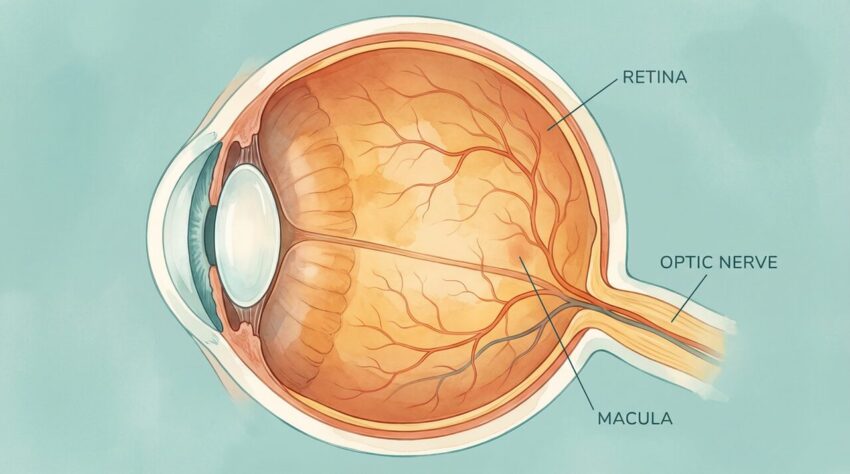
Diabetic retinopathy (DR) stands as a leading cause of vision impairment and blindness among working-aged adults globally. Characterized by damage to the blood vessels of the light-sensitive tissue at the back of the eye, the retina, DR progresses through stages, from mild non-proliferative diabetic retinopathy (NPDR) to severe proliferative diabetic retinopathy (PDR). The advent of…
Category: Endocrinology
Anti-VEGF Injections: Revolutionizing Eye Disease Treatment and Preserving Vision
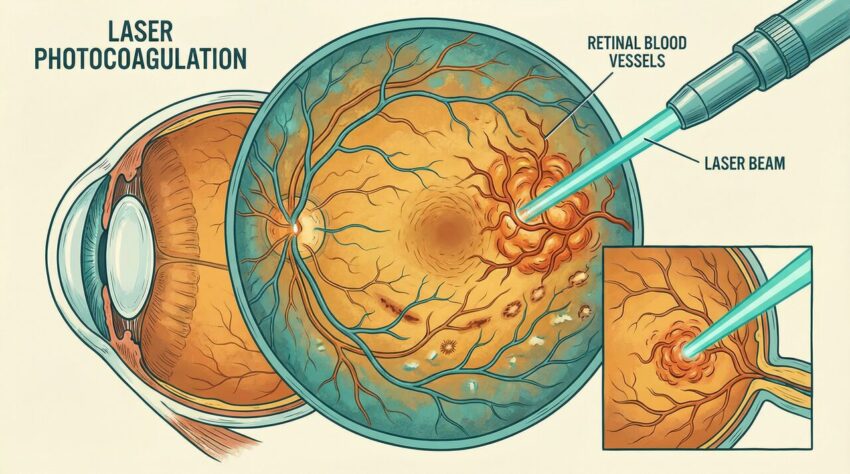
The treatment of multiple sight-threatening retinal diseases depends on anti-vascular endothelial growth factor (anti-VEGF) injections which serve as their main therapeutic approach. The medical field of ophthalmology has experienced a complete transformation through these therapeutic agents which attack pathological blood vessel growth and pathological fluid leakage in patients who suffer from neovascular (wet) age-related macular…
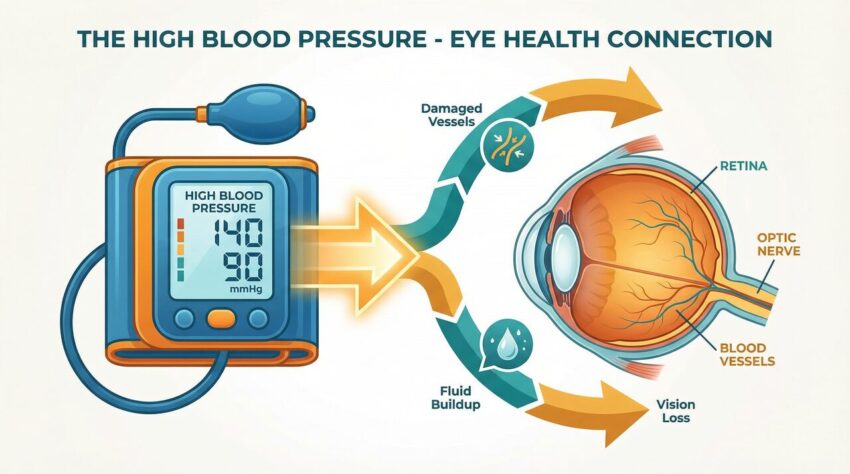
World Hypertension Day: Unveiling the Silent Threat to Ocular Health
Hypertension, or high blood pressure, is one of the most widespread health challenges faced worldwide today, affecting billions of people across diverse populations. Often called the “silent killer,” this condition quietly damages the body because many individuals remain unaware of their elevated blood pressure until serious complications arise. While the devastating effects of hypertension on…
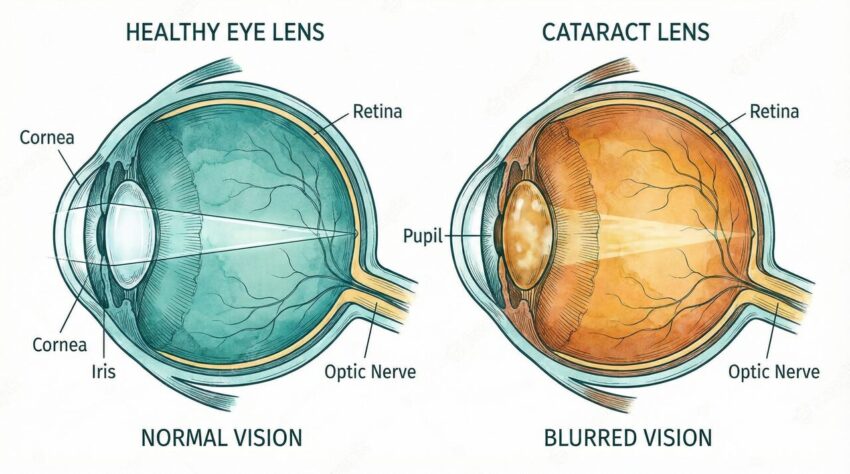
The Unseen Link: How Diabetes Accelerates Cataract Formation
For many, the world slowly loses its sharpness, a gradual, painless blurring of vision that often signals the onset of cataracts. This clouding of the eye’s natural lens is a leading cause of vision loss globally, a seemingly inevitable part of aging. However, for millions living with diabetes, this process can be alarmingly accelerated, casting…
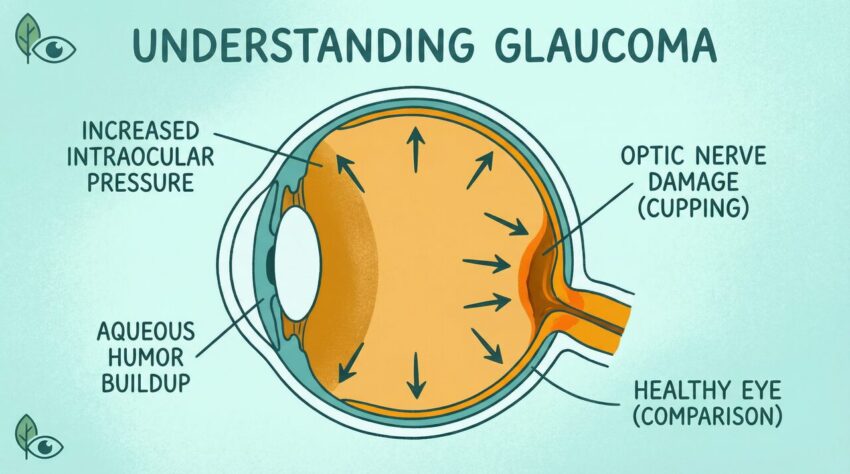
Diabetes and Glaucoma: Unraveling the Complex Interplay and Management Strategies
The intricate relationship between diabetes mellitus and glaucoma presents a significant challenge in ophthalmology. A growing body of research explores the mechanisms and clinical implications of this association, consistently indicating that individuals with diabetes face an elevated risk of developing various forms of glaucoma, particularly open-angle glaucoma. Understanding the Diabetic-Glaucoma Connection Diabetes, a chronic metabolic…
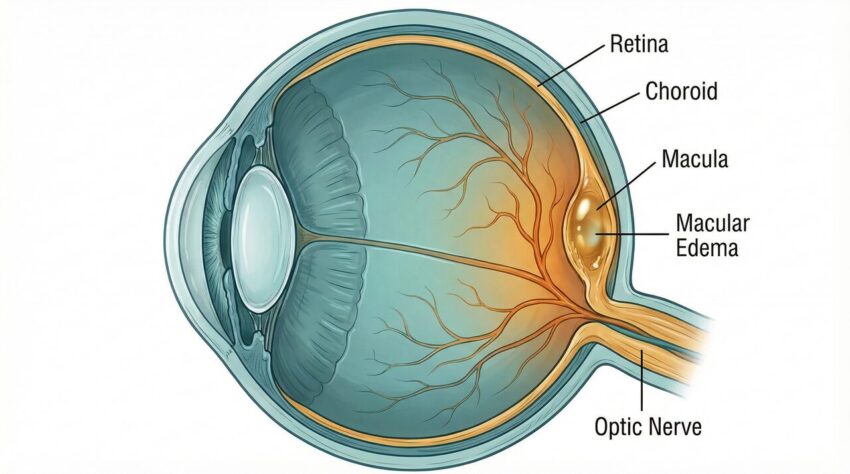
Understanding Diabetic Macular Edema: A Guide to Causes and Treatments
Diabetic Macular Edema (DME) is a multifaceted condition that arises primarily due to the systemic repercussions of chronic high blood sugar levels. At the heart of the issue is the disruption of the blood-retina barrier (BRB), a crucial structure that manages the exchange of substances between the bloodstream and the retina. Persistent elevated glucose levels…
Diabetic Retinopathy: Essential Strategies for Vision Preservation
Diabetic retinopathy, or DR, is a major concern for individuals with type 1 and type 2 diabetes, as it can severely affect vision. As a leading cause of new cases of legal blindness among working-age adults in America and a primary cause of blindness across the world, understanding and managing this condition is crucial. The…
Time in Range: The New Gold Standard for Diabetes Management
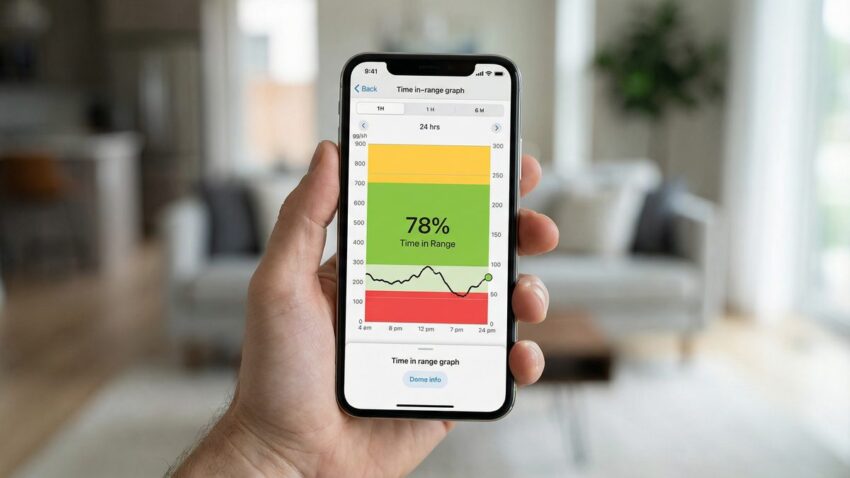
Time in Range — the percentage of time your glucose levels spend within a target range — is rapidly becoming the most important metric in modern diabetes management. Unlike HbA1c, it captures the quality of glucose control, not just the average, and provides actionable daily feedback. What Is Time in Range? Time in Range (TIR)…
Tirzepatide (Mounjaro): A Complete Guide
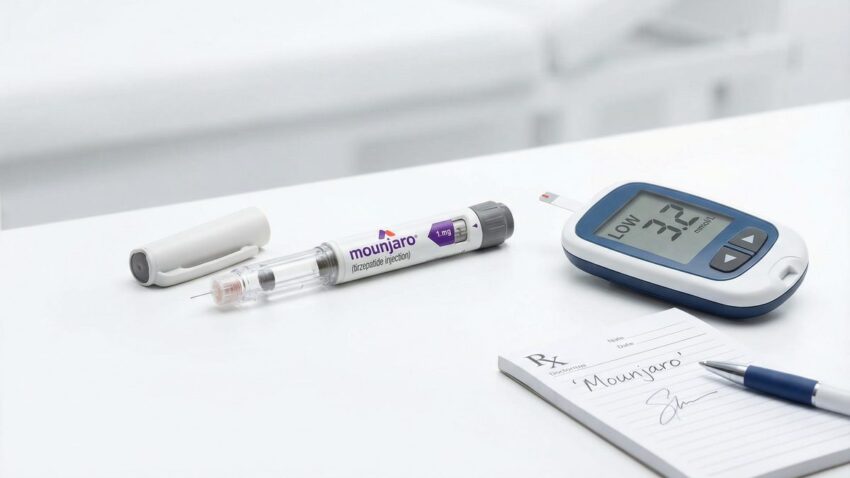
Tirzepatide, marketed as Mounjaro for diabetes and Zepbound for weight management, represents a new class of medication that simultaneously activates two hormone receptors. Clinical trials have shown weight loss and blood sugar improvements that surpass anything previously seen in pharmaceutical treatment. What Makes Tirzepatide Different? Unlike semaglutide, which activates only the GLP-1 receptor, tirzepatide is…
Managing GLP-1 Side Effects: A Practical Guide
GLP-1 receptor agonists have transformed diabetes and weight management, but their gastrointestinal side effects cause many people to reduce doses or discontinue treatment prematurely. Most side effects are manageable and tend to diminish over time. This guide explains what to expect and how to minimise discomfort. Why GLP-1 Medications Cause Side Effects GLP-1 receptor agonists…