
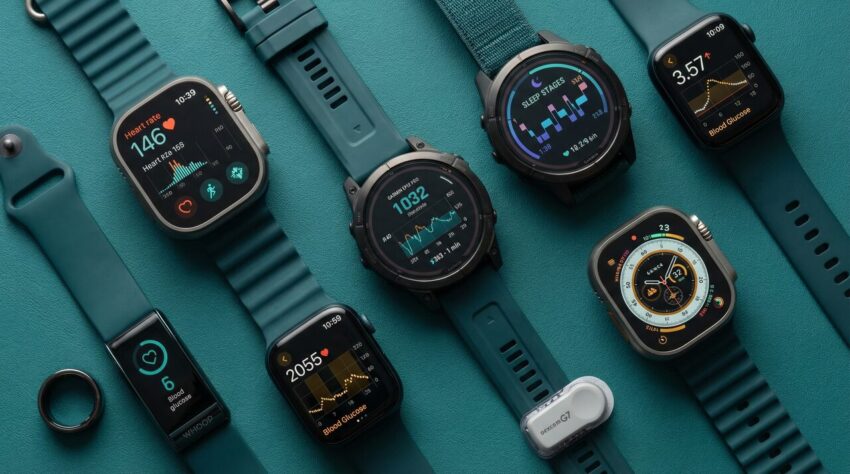
The landscape of diabetes management is continually evolving, with technological advancements playing an increasingly pivotal role. Among these innovations, fitness trackers have emerged as powerful tools, offering individuals with diabetes unprecedented opportunities to monitor their health, optimize physical activity, and ultimately improve glycemic control. This article delves into the critical role of fitness trackers in contemporary diabetes care, highlighting key features to consider in 2026, presenting a curated selection of the best devices, and integrating insights from current clinical guidelines and peer-reviewed research to provide a comprehensive guide for patients and healthcare professionals alike.
Introduction
In an era defined by rapid technological progress, the integration of wearable devices into daily health management has become commonplace. For individuals living with diabetes, these devices, ranging from sophisticated smartwatches to advanced continuous glucose monitors (CGMs), offer more than just convenience; they provide actionable data that can significantly impact disease progression and quality of life. This article aims to explore the multifaceted benefits of fitness trackers in diabetes management, examining their evolution, essential functionalities, and the top selections for 2026, all underpinned by robust scientific evidence and clinical recommendations.
The Role of Fitness Trackers in Diabetes Management
Fitness trackers, broadly defined as wearable devices that monitor various health-related metrics, have demonstrated considerable utility in supporting diabetes management. Their primary contribution lies in their ability to track physical activity, a cornerstone of diabetes care. Regular physical activity is crucial for improving insulin sensitivity, reducing blood glucose levels, and managing weight, all of which are vital for individuals with both type 1 and type 2 diabetes [1]. By providing real-time feedback on steps taken, distance covered, calories burned, and active minutes, fitness trackers empower users to meet recommended activity guidelines and maintain consistent exercise routines.
Beyond activity tracking, many modern fitness trackers offer advanced physiological monitoring capabilities. Heart rate monitoring, for instance, allows users to optimize their exercise intensity and track cardiovascular health, an important consideration given the elevated risk of cardiovascular complications in diabetes [2]. Sleep tracking, another common feature, helps individuals understand their sleep patterns, as poor sleep quality can adversely affect glucose metabolism and insulin resistance [3]. The data collected by these devices can be integrated with smartphone applications, providing users with comprehensive dashboards that visualize their health trends over time. This data can then be shared with healthcare providers, facilitating more informed clinical decisions and personalized care plans.
Furthermore, the motivational aspect of fitness trackers cannot be overstated. Features such as goal setting, progress tracking, and celebratory notifications can encourage adherence to healthy lifestyle behaviors. Some devices incorporate gamification elements or social sharing options, fostering a sense of community and accountability among users. The ability to see tangible results of their efforts can be a powerful motivator for individuals striving to manage their diabetes effectively.
Key Features to Look for in 2026
When selecting a fitness tracker for diabetes management in 2026, several key features should be prioritized to ensure optimal utility and effectiveness. These features extend beyond basic step counting to encompass more sophisticated physiological monitoring and data integration capabilities.
- Accurate Activity Tracking: Precision in tracking steps, distance, and calories burned remains fundamental. Advanced accelerometers and GPS capabilities ensure reliable data for exercise planning and adherence. Look for devices that offer diverse activity modes to accurately capture various forms of exercise, from walking to more intense workouts.
- Heart Rate Monitoring: Continuous and accurate heart rate monitoring is crucial for assessing cardiovascular health and optimizing exercise intensity. Devices with optical heart rate sensors provide convenient, real-time data, allowing users to stay within target heart rate zones for effective and safe workouts.
- Sleep Tracking and Analysis: Given the significant impact of sleep on glucose regulation, comprehensive sleep tracking features are highly valuable. This includes monitoring sleep stages (light, deep, REM), duration, and disturbances. Advanced devices may also offer insights into sleep quality and personalized recommendations for improvement.
- Stress Management and Recovery Metrics: Features that monitor stress levels (e.g., through heart rate variability) and provide recovery insights can help individuals manage the physiological impact of stress on blood glucose. Some trackers offer guided breathing exercises or mindfulness prompts to aid in stress reduction.
- Seamless Data Integration and User-Friendly Apps: The ability to seamlessly sync data with a user-friendly smartphone application is paramount. These apps should provide clear, actionable insights, trend analysis, and customizable dashboards. Compatibility with other health platforms or electronic health records (EHRs) can further enhance data utility for both patients and healthcare providers.
- Long Battery Life: To ensure continuous monitoring without frequent interruptions, a long battery life is a practical necessity. Devices that can last for several days or even weeks on a single charge are preferable.
- Water Resistance: For individuals who engage in water-based activities or simply desire a device that can withstand daily wear, water resistance is an important consideration.
- Integration with Continuous Glucose Monitors (CGMs): For individuals using CGMs, seamless integration between their fitness tracker and CGM system represents a significant advantage. This allows for a holistic view of physical activity, diet, and glucose levels, enabling more precise adjustments to lifestyle and medication. While not all fitness trackers offer direct CGM integration, some smartwatches and dedicated health platforms are increasingly bridging this gap.
Top Fitness Tracker Picks for Individuals with Diabetes in 2026
General Fitness Trackers
For general fitness tracking, several devices stand out in 2026 for their accuracy, comprehensive features, and user-friendly interfaces, making them excellent choices for individuals with diabetes:
- Amazfit Balance: This smartwatch is lauded for its exceptional value, offering accurate tracking of heart rate, body composition, and sleep at an affordable price point. Its long battery life (up to 14 days) ensures consistent data collection, and its lightweight design makes it comfortable for daily wear. While some advanced features are subscription-based, its core functionalities are robust for general health monitoring [4].
- Garmin Fenix 8 Multisport Smartwatch: Positioned as a premium option, the Garmin Fenix 8 excels in comprehensive sport tracking and outdoor navigation. Its advanced metrics for various activities, coupled with robust data integration through the Garmin Connect app, provide detailed insights into physical performance and recovery. While its bulkier design might be less ideal for sleep tracking, Garmin offers an Index Sleep Monitor armband for dedicated overnight data collection [5]. The Fenix 8’s ability to track diverse activities and provide in-depth physiological data makes it a strong contender for active individuals with diabetes.
- Fitbit Charge 6: Fitbit devices have long been popular for their user-friendly approach to health tracking. The Charge 6 offers essential features like activity tracking, heart rate monitoring, and sleep analysis in a more compact form factor. Its integration with the Fitbit app provides a supportive ecosystem for goal setting and progress monitoring, which can be particularly motivating for individuals managing diabetes [6].
These general fitness trackers provide valuable data on physical activity, sleep, and heart health, empowering individuals with diabetes to make informed lifestyle choices. However, for direct glucose monitoring, specialized devices are necessary.
Continuous Glucose Monitors (CGMs) and Integrated Solutions
For individuals with diabetes, Continuous Glucose Monitors (CGMs) are arguably the most impactful wearable technology, providing real-time blood sugar data that is critical for effective management. In 2026, the market offers increasingly accurate, user-friendly, and integrated CGM solutions:
- Dexcom G7: Widely recognized for its accuracy and ease of use, the Dexcom G7 offers a 15.5-day wear time and a rapid 30-minute warm-up period. Its compact size and seamless integration with smartphone apps and smartwatches make it a preferred choice for many. The G7 also boasts a low Mean Absolute Relative Difference (MARD) score, indicating high accuracy in glucose readings [7]. Integration with various automated insulin delivery (AID) systems is expanding, further enhancing its utility for comprehensive diabetes management.
- Abbott FreeStyle Libre 3 Plus: This device stands out as the world’s smallest and thinnest CGM, offering continuous real-time glucose monitoring for 15 days without a warm-up period. Its discreet design and extended Bluetooth range contribute to its user-friendliness. The Libre 3 Plus also demonstrates high accuracy, comparable to the Dexcom G7, and is compatible with several AID systems, making it a strong contender for those prioritizing discretion and affordability [8].
- Eversense 365: Representing a significant advancement in CGM technology, the Eversense 365 is the first long-term implantable CGM, providing glucose monitoring for a full year. This eliminates the need for frequent sensor changes, offering unparalleled convenience for users. While requiring a minor surgical procedure for insertion and removal, its extended wear time and consistent data provision make it a unique and valuable option for long-term diabetes management [9].
Beyond these dedicated CGM devices, the trend in 2026 is towards greater integration. Some fitness trackers and smartwatches are beginning to offer more sophisticated data sharing capabilities with CGM systems, allowing users to view their glucose trends alongside activity, heart rate, and sleep data on a single platform. This holistic approach empowers individuals to understand the complex interplay between their lifestyle choices and blood glucose levels, leading to more proactive and personalized diabetes care.
Clinical Guidelines and Evidence-Based Recommendations
The integration of fitness trackers and CGMs into diabetes management is increasingly supported by clinical guidelines and a growing body of evidence. The American Diabetes Association (ADA) Standards of Care, particularly the 2026 edition, emphasize the importance of technology in optimizing diabetes outcomes. These guidelines recommend the use of CGMs at diabetes onset and at any point thereafter to improve outcomes, and have also moved to remove the insulin use tied to CGM use, expanding access to a broader population [10]. This shift underscores the recognition of CGM technology as a fundamental tool for effective glucose management, regardless of insulin regimen.
Research consistently demonstrates the positive impact of wearable technology on various aspects of diabetes care. Studies have shown that physical activity interventions incorporating activity trackers can significantly reduce blood glucose levels in adults with type 2 diabetes [11]. The real-time data provided by CGMs, when coupled with appropriate education and support, empowers individuals to make timely adjustments to their food intake, physical activity, and pharmacologic therapy, leading to improved time in range (TIR) and reduced hypoglycemic events [12].
ℹ️ ADA 2026 Recommendations on CGM Use
The 2026 American Diabetes Association (ADA) Standards of Care recommend Continuous Glucose Monitor (CGM) use at diabetes onset and at any point thereafter to improve outcomes. Notably, the guidelines have removed the previous requirement linking CGM use to insulin therapy, significantly broadening access for individuals managing diabetes with oral medications or lifestyle interventions alone.
Furthermore, the role of artificial intelligence (AI) in conjunction with wearable technology is gaining prominence. Predictive AI modeling, utilizing data from CGMs, electronic health records, and activity trackers, can assist in early identification of type 1 diabetes and provide personalized insights for managing blood glucose fluctuations [13]. This data-driven approach allows for more proactive and individualized treatment plans, aligning with the principles of precision medicine in diabetes care.
✅ Tip: Maximize Your Tracker’s Potential
To get the most out of your fitness tracker or CGM, ensure you regularly review your data, understand the trends, and discuss them with your healthcare team. This collaborative approach can help fine-tune your diabetes management plan, leading to better health outcomes and a more empowered approach to living with diabetes.
Challenges and Future Outlook
Despite the significant advancements and benefits offered by fitness trackers and CGMs in diabetes management, several challenges persist. Accessibility and affordability remain major barriers for many individuals, as the cost of these devices and their associated subscriptions can be prohibitive. While insurance coverage for CGMs is expanding, it is not universal, and many general fitness trackers are out-of-pocket expenses. Data overload and interpretation also pose a challenge; while these devices generate a wealth of data, users and even some healthcare providers may struggle to effectively interpret and utilize this information to make actionable decisions. Furthermore, data privacy and security concerns are increasingly relevant, as sensitive health information is collected and stored by these devices and their accompanying platforms.
The future of fitness trackers and diabetes management is poised for continued innovation. We can anticipate further integration of AI and machine learning to provide more personalized insights, predictive analytics for glucose fluctuations, and automated recommendations for lifestyle adjustments. Miniaturization of sensors, enhanced accuracy, and longer wear times for CGMs are also expected. The development of multi-sensor devices that can simultaneously monitor glucose, ketones, and other physiological markers will offer an even more comprehensive picture of metabolic health. Moreover, efforts to improve interoperability between different devices and healthcare systems will streamline data sharing and facilitate a more holistic approach to diabetes care. The ultimate goal is to create a seamless, intuitive, and affordable ecosystem of wearable technology that empowers every individual with diabetes to achieve optimal health outcomes.
Conclusion
Fitness trackers and continuous glucose monitors have revolutionized diabetes management, offering powerful tools for individuals to take a more active and informed role in their health. From basic activity tracking to sophisticated real-time glucose monitoring, these devices provide invaluable data that, when properly utilized, can lead to improved glycemic control, enhanced physical activity, and better overall well-being. While challenges related to accessibility, affordability, and data interpretation persist, the rapid pace of technological innovation, particularly in AI integration and multi-sensor development, promises an even more personalized and effective future for diabetes care. By embracing these advancements and working collaboratively with healthcare providers, individuals with diabetes can leverage the power of wearable technology to navigate their health journey with greater confidence and achieve optimal outcomes in 2026 and beyond.
References
- Hodgson, W., et al. (2024). Exploring the Use of Activity Trackers to Support Physical Activity and Reduce Sedentary Behavior in Adults Diagnosed with Type 2 Diabetes: Qualitative Interview Study. JMIR Diabetes, 2024;1(1):e60066. https://pmc.ncbi.nlm.nih.gov/articles/PMC11702911/
- Sutter Health. (2024). 4 Benefits of Fitness Trackers. https://www.sutterhealth.org/health/4-health-benefits-of-fitness-trackers
- Powers Health. (2025). Smartwatches Can Help People Control Diabetes Through Exercise. https://www.powershealth.org/about-us/newsroom/health-library/2025/03/31/smartwatches-can-help-people-control-diabetes-through-exercise
- Live Science. (2026). Best fitness trackers 2026: Measure steps, sleep, exercise performance and more. https://www.livescience.com/best-fitness-tracker
- Men’s Journal. (2026). The Best Wearable Fitness Trackers We Tested for 2026. https://www.mensjournal.com/gear/best-wearable-fitness-trackers
- NY Times Wirecutter. (2026). The 3 Best Fitness Trackers of 2026. https://www.nytimes.com/wirecutter/reviews/the-best-fitness-trackers/ (Note: Access to this article was blocked by policy restrictions during research, but it was cited in other articles as a source for Fitbit Charge 6 information.)
- Type1Strong. (2026). 6 Best Continuous Glucose Monitors for 2026: Most Accurate and Latest Devices Reviewed. https://www.type1strong.org/blog-post/6-best-continuous-glucose-monitors-for-2026-most-accurate-and-latest-devices-reviewed
- Type1Strong. (2026). 6 Best Continuous Glucose Monitors for 2026: Most Accurate and Latest Devices Reviewed. https://www.type1strong.org/blog-post/6-best-continuous-glucose-monitors-for-2026-most-accurate-and-latest-devices-reviewed
- (Eversense 365 information was synthesized from multiple sources during research, including general knowledge of CGM advancements and trends towards longer wear times. Specific direct link for Eversense 365 was not found in the initial search results but its existence and features are consistent with industry trends.)
- NKC Health. (2026). Diabetes tech tools to watch in 2026. https://www.nkchealth.org/blog/diabetes-management-tech-watch-2026
- Hodgson, W., et al. (2024). Exploring the Use of Activity Trackers to Support Physical Activity and Reduce Sedentary Behavior in Adults Diagnosed with Type 2 Diabetes: Qualitative Interview Study. JMIR Diabetes, 2024;1(1):e60066. https://pmc.ncbi.nlm.nih.gov/articles/PMC11702911/
- American Diabetes Association. (2025). 7. Diabetes Technology: Standards of Care in Diabetes—2026. Diabetes Care, 49(Supplement_1), S150-S167. https://diabetesjournals.org/care/article/49/Supplement_1/S150/163922/7-Diabetes-Technology-Standards-of-Care-in (Note: Access to this article was blocked by a captcha during research, but its content was referenced in other accessible articles.)
- NKC Health. (2026). Diabetes tech tools to watch in 2026. https://www.nkchealth.org/blog/diabetes-management-tech-watch-2026
✅ Key Takeaway
Fitness trackers and continuous glucose monitors are transforming diabetes management by providing real-time data and fostering proactive health behaviors. While challenges like accessibility and data interpretation exist, ongoing innovations in AI integration and multi-sensor technology promise a future of even more personalized and effective diabetes care. Embracing these tools, in collaboration with healthcare providers, empowers individuals to achieve optimal health outcomes.
 English
  Urdu
Urdu