
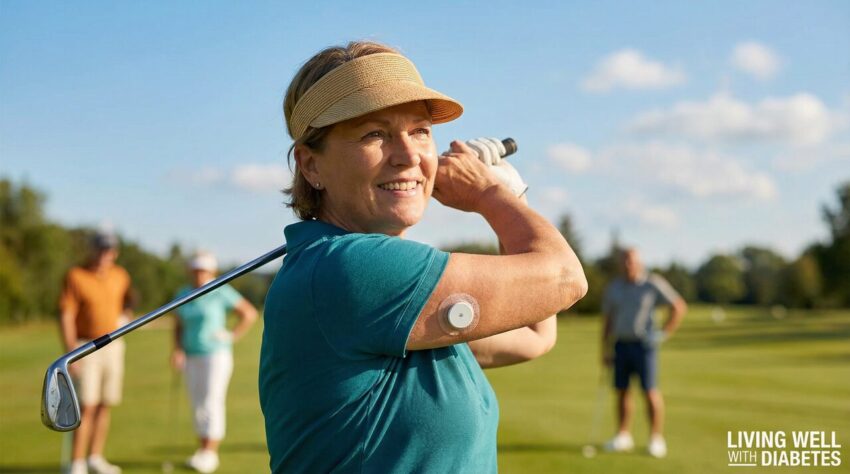
For individuals living with diabetes, engaging in regular physical activity is a cornerstone of effective disease management. While various forms of exercise offer significant health benefits, golf, often perceived as a leisurely pursuit, presents a unique and highly beneficial avenue for improving glycemic control, cardiovascular health, and overall well-being. This comprehensive guide explores the multifaceted advantages of golf for diabetes management, drawing upon current clinical guidelines and peer-reviewed research to provide an evidence-based perspective on integrating this sport into a diabetic lifestyle.
The Therapeutic Potential of Golf for Diabetes
Golf is a low-impact, moderate-intensity physical activity that can be sustained for several hours, making it an ideal exercise modality for many individuals with diabetes. The physical demands of a typical round of golf, particularly when walking the course, contribute significantly to daily physical activity recommendations. Studies have shown that playing golf can involve walking several miles, equating to thousands of steps, which directly contributes to meeting the recommended 150 minutes of moderate-intensity aerobic activity per week for adults with diabetes [1, 2].
Beyond the caloric expenditure, golf offers specific physiological benefits relevant to diabetes management. Regular participation has been linked to improved insulin sensitivity, which is crucial for individuals with type 2 diabetes. Enhanced insulin sensitivity allows the body’s cells to utilize glucose more effectively, leading to better blood sugar control. Furthermore, the consistent, moderate exertion involved in golf can help lower HbA1c levels, a key indicator of long-term glycemic control [3].
Cardiovascular Health and Weight Management
Diabetes significantly increases the risk of cardiovascular complications. Golf, by promoting regular physical activity, plays a vital role in mitigating these risks. The sustained walking and gentle swinging motions contribute to improved cardiovascular fitness, strengthening the heart muscle, and enhancing circulation. This can lead to reductions in blood pressure and cholesterol levels, both critical factors in preventing heart disease among diabetic populations [4].
Weight management is another critical aspect of diabetes care, particularly for type 2 diabetes. A round of golf, especially when walking and carrying clubs, can burn a substantial number of calories. This consistent energy expenditure, combined with a balanced diet, can aid in achieving and maintaining a healthy weight, thereby improving insulin resistance and overall metabolic health. The social aspect of golf can also contribute to adherence, making it a more enjoyable and sustainable form of exercise compared to more solitary activities.
Mental Well-being and Stress Reduction
Living with diabetes can be mentally challenging, often accompanied by stress, anxiety, and even depression. Golf offers significant psychological benefits that can positively impact mental well-being. The sport provides an opportunity for social interaction, which can combat feelings of isolation and foster a sense of community. Spending time outdoors in nature has been shown to reduce stress hormones and improve mood, contributing to a more positive outlook on diabetes management [5].
Moreover, the focus and concentration required for golf can serve as a form of mindfulness, diverting attention from daily stressors and promoting mental clarity. The sense of accomplishment derived from a well-played shot or a good round can boost self-esteem and motivation, empowering individuals to take a more active role in their health journey.
Practical Considerations for Golfers with Diabetes
While golf offers numerous benefits, individuals with diabetes must adopt specific strategies to ensure safe and effective participation. Careful planning and monitoring are essential to prevent hypoglycemia (low blood sugar) or hyperglycemia (high blood sugar) during a round.
Blood Glucose Monitoring: Frequent blood glucose monitoring before, during, and after play is paramount. This allows golfers to make necessary adjustments to insulin doses or carbohydrate intake. Continuous Glucose Monitoring (CGM) systems can be particularly beneficial, providing real-time data and alerts.
Hydration and Nutrition: Maintaining adequate hydration is crucial, especially during prolonged periods of outdoor activity. Carrying water and electrolyte-rich beverages is recommended. Strategic carbohydrate intake, such as small, frequent snacks, can help stabilize blood sugar levels throughout the round. Consulting with a dietitian or diabetes educator can help tailor a personalized nutrition plan.
Foot Care: Diabetic neuropathy can increase the risk of foot injuries. Wearing comfortable, well-fitting golf shoes and inspecting feet regularly for blisters, cuts, or sores is vital. Prompt attention to any foot issues can prevent serious complications [6].
Insulin and Medication Adjustments: Physical activity can increase insulin sensitivity, potentially requiring adjustments to insulin doses or oral medications. It is imperative to consult with a healthcare provider or endocrinologist to develop a personalized medication adjustment plan for golf days.
Weather Conditions: Extreme weather, both hot and cold, can impact blood glucose levels and the effectiveness of insulin. Golfers should be prepared for varying conditions, adjusting clothing, hydration, and monitoring frequency accordingly.
ℹ️ Importance of Professional Guidance
Always consult with your healthcare team, including your doctor, endocrinologist, and a registered dietitian, before starting any new exercise regimen or making significant changes to your diabetes management plan. They can provide personalized advice tailored to your specific health needs and medication regimen.
Conclusion
Golf, far from being merely a recreational pastime, stands as a valuable and enjoyable form of physical activity for individuals managing diabetes. Its unique combination of moderate exertion, mental engagement, and social interaction offers a holistic approach to improving glycemic control, cardiovascular health, weight management, and psychological well-being. By understanding the therapeutic potential of golf and implementing practical management strategies, individuals with diabetes can confidently embrace the sport, enhancing their quality of life while effectively managing their condition.
✅ Tip for Optimal Diabetes Management on the Course
Consider using a golf cart for part of the round if walking the entire course is too strenuous, especially on hot days. The key is consistent, moderate activity, not necessarily extreme exertion. Even partial walking contributes significantly to your daily activity goals.
✅ Key Takeaway
Golf offers a unique and effective way for individuals with diabetes to manage their condition through regular physical activity, improved cardiovascular health, weight management, and enhanced mental well-being. With proper planning and medical guidance, golfers with diabetes can enjoy the sport safely and reap its numerous health benefits.
References
[1] Sorbie, G. G., Beaumont, A. J., Williams, A. K., & Lavallee, D. (2022). Golf and physical health: a systematic review. Sports Medicine, 52(11), 2757-2776. https://link.springer.com/article/10.1007/s40279-022-01732-w
[2] Kobriger, S. L., Smith, J., Hollman, J. H., & Smith, A. M. (2006). The contribution of golf to daily physical activity recommendations: how many steps does it take to complete a round of golf?. Mayo Clinic Proceedings, 81(10), 1301-1304. https://www.sciencedirect.com/science/article/pii/S0025619611612056
[3] Murray, A. D., Daines, L., Archibald, D., & et al. (2017). The relationships between golf and health: a scoping review. British Journal of Sports Medicine, 51(1), 12-19. https://bjsm.bmj.com/content/51/1/12.short
[4] Stenner, B., Mosewich, A. D., Buckley, J. D., & et al. (2019). Associations between markers of health and playing golf in an Australian population. BMJ Open Sport & Exercise Medicine, 5(1), e000517. https://bmjopensem.bmj.com/content/5/1/e000517
[5] Shimada, H., Lee, S., Akishita, M., & Kozaki, K. (2018). Effects of golf training on cognition in older adults: a randomised controlled trial. Journal of Epidemiology and Community Health, 72(10), 944-950. https://jech.bmj.com/content/72/10/944.abstract
[6] Anastasia Medical Group. (2019). Diabetes Foot Care Tips for Golfers in Northeast Florida. https://anastasiamedicalgroup.com/2019/11/23/diabetes-foot-care-tips-for-golfers-in-northeast-florida/
 English
  Urdu
Urdu