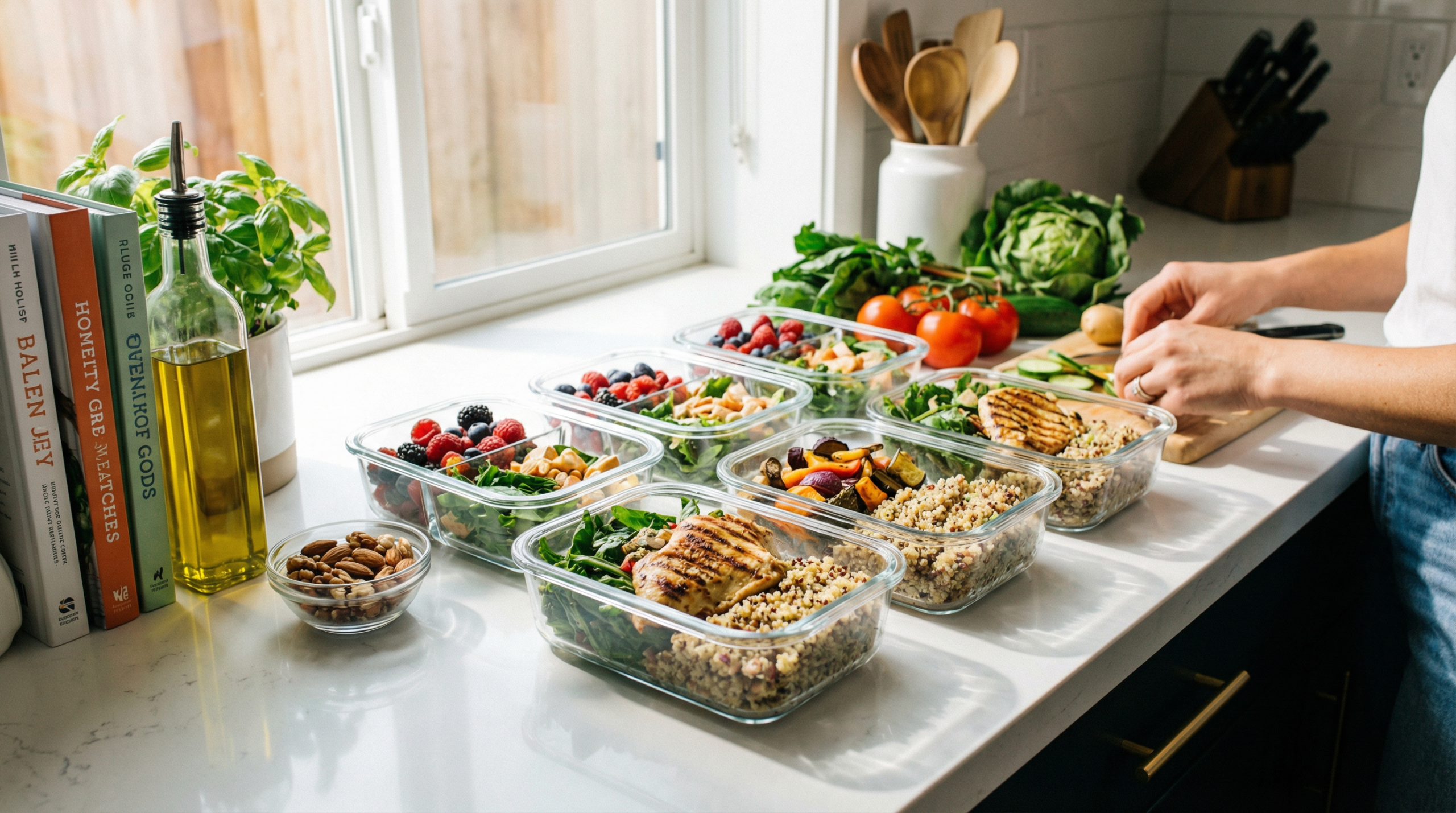
Quinoa and black beans can make a filling meal because they bring carbohydrate, fiber, plant protein, and texture together in one bowl. The key for diabetes is portion awareness, not pretending these foods are carb-free.
Quick summary
This recipe is built as a flexible bowl. Use measured portions, add non-starchy vegetables, and pair the grains and beans with flavor from lime, herbs, and spices.
Key takeaways
- Quinoa and beans both contain carbohydrate.
- Fiber and protein can make the meal more satisfying.
- Portion size matters for glucose response.
- Use glucose checks or CGM patterns if you are learning your personal response.
Ingredients
- Cooked quinoa.
- Rinsed black beans.
- Chopped tomato, cucumber, bell pepper, or lettuce.
- Lime juice.
- Olive oil.
- Cumin, garlic powder, black pepper, and chopped cilantro.
- Optional avocado, plain Greek yogurt, or a small sprinkle of cheese.
How to make it
- Warm the quinoa and beans, or serve them chilled.
- Mix the vegetables with lime juice, olive oil, cumin, garlic powder, and pepper.
- Spoon the quinoa and beans into a bowl and top with the vegetable mix.
- Add avocado, yogurt, or cheese if desired.
- Taste before adding salt, especially if using canned beans.
Diabetes-friendly serving notes
Start with a measured serving of quinoa and beans, then fill the bowl with vegetables.
Choose no-salt-added or rinsed canned beans when possible.
If you count carbohydrates, use the label or recipe tool you trust instead of guessing.
If this meal raises glucose more than expected, try a smaller grain portion or add more non-starchy vegetables next time.
Practical takeaway
Beans and quinoa are not magic foods, but they can be useful when the portion fits your plan.
Safety note
This article is not a substitute for medical care. If you have kidney disease, potassium or phosphorus restrictions, or use mealtime insulin, ask your care team how bean and grain portions should fit your plan.
What to ask your care team
- How much quinoa and beans fit my carbohydrate target?
- Should I limit potassium or phosphorus?
- Should I check glucose after this meal to learn my response?
Related reading
Source summary
- Diabetes Plate Method, American Diabetes Association. Patient nutrition guidance. Accessed June 5, 2026. Source
- Diabetes Meal Planning, Centers for Disease Control and Prevention. Patient nutrition guidance. Accessed June 5, 2026. Source
- Healthy Living With Diabetes, National Institute of Diabetes and Digestive and Kidney Diseases. Patient guidance. Accessed June 5, 2026. Source
- MyPlate, U.S. Department of Agriculture. Nutrition guidance. Accessed June 5, 2026. Source