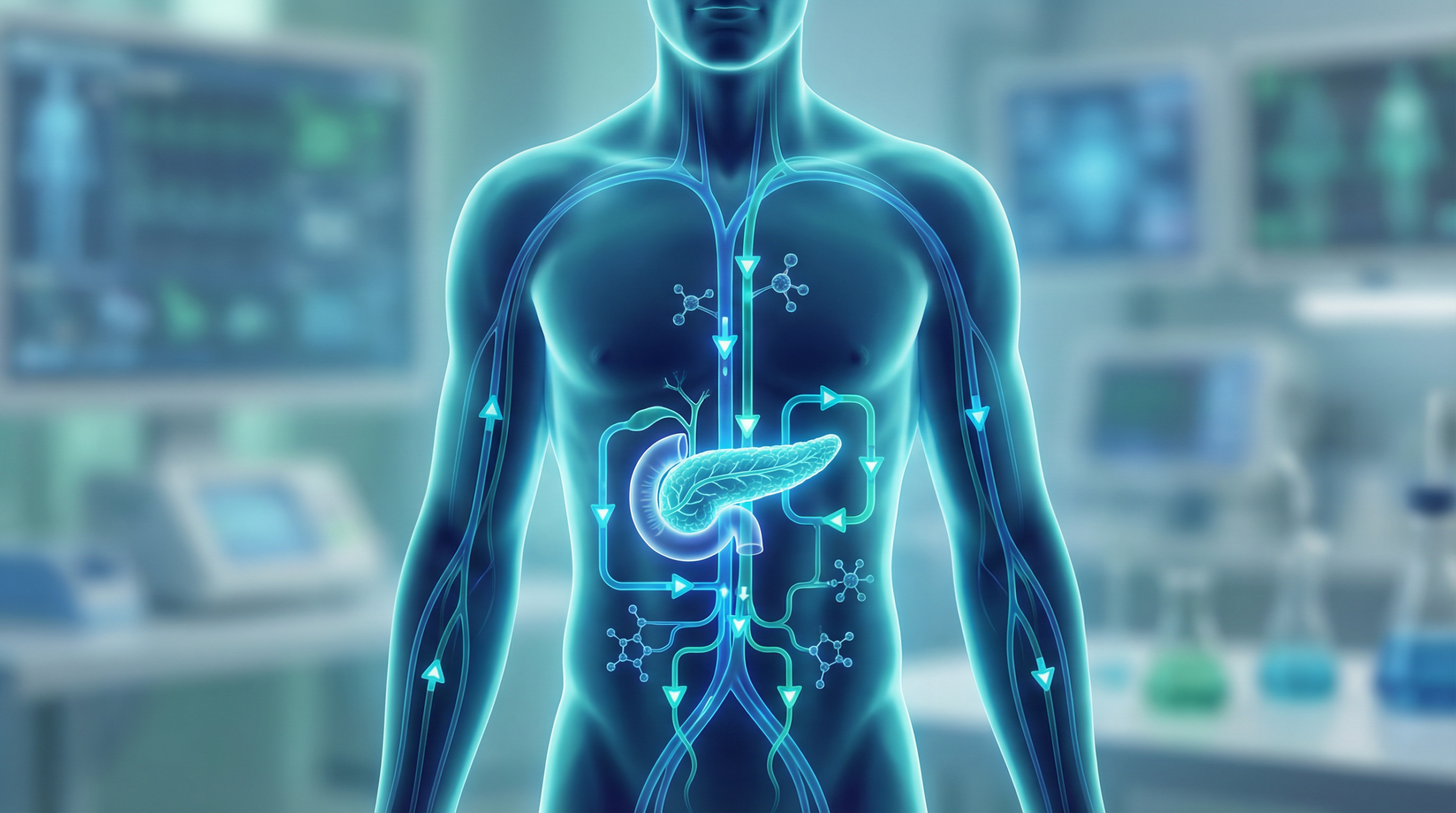
Insulin resistance means the body has more difficulty responding to insulin. The pancreas may make extra insulin for a time, but blood sugar can rise if that response is not enough.
Quick summary
Insulin resistance is common and often silent. It can be linked with prediabetes, type 2 diabetes, higher waist-related risk, fatty liver disease, high triglycerides, polycystic ovary syndrome, sleep problems, and family history.
Key takeaways
- Many people do not feel symptoms.
- A1C, fasting glucose, and other tests can show blood sugar risk.
- Food, activity, sleep, weight changes when appropriate, and medicines can all play a role.
- Insulin resistance is not a personal failure.
What can raise insulin resistance
- Family history of type 2 diabetes.
- Higher body weight, especially around the waist.
- Less regular physical activity.
- History of gestational diabetes or prediabetes.
- Sleep apnea, fatty liver disease, PCOS, some medicines, and other health conditions.
What helps safely
The most useful plan is usually steady, measurable, and realistic. Helpful steps can include more regular movement, more fiber-rich foods, fewer sugary drinks, better sleep routines, and weight changes when appropriate and safe.
Some people also benefit from medication or a structured diabetes prevention program. Do not stop prescribed medicines because a diet plan claims to fix insulin resistance.
Practical takeaway
Treat insulin resistance as a risk signal. The goal is safer numbers and a plan you can actually sustain.
Safety note
This article is not a substitute for medical care. Seek medical advice for increased thirst, frequent urination, unexplained weight loss, blurry vision, or repeated high glucose. Seek urgent care for vomiting, dehydration, confusion, rapid breathing, or symptoms that feel dangerous.
What to ask your care team
- Which tests should we use to track my risk?
- Could any medicine or condition be contributing?
- Would nutrition support, activity coaching, or a prevention program help?
Related reading
Source summary
- Insulin Resistance and Prediabetes, National Institute of Diabetes and Digestive and Kidney Diseases. Patient guidance. Accessed June 5, 2026. Source
- Prediabetes and Type 2 Diabetes Prevention, Centers for Disease Control and Prevention. Patient guidance. Accessed June 5, 2026. Source
- About Type 2 Diabetes, Centers for Disease Control and Prevention. Patient guidance. Accessed June 5, 2026. Source
- Diabetes Testing, Centers for Disease Control and Prevention. Patient guidance. Accessed June 5, 2026. Source