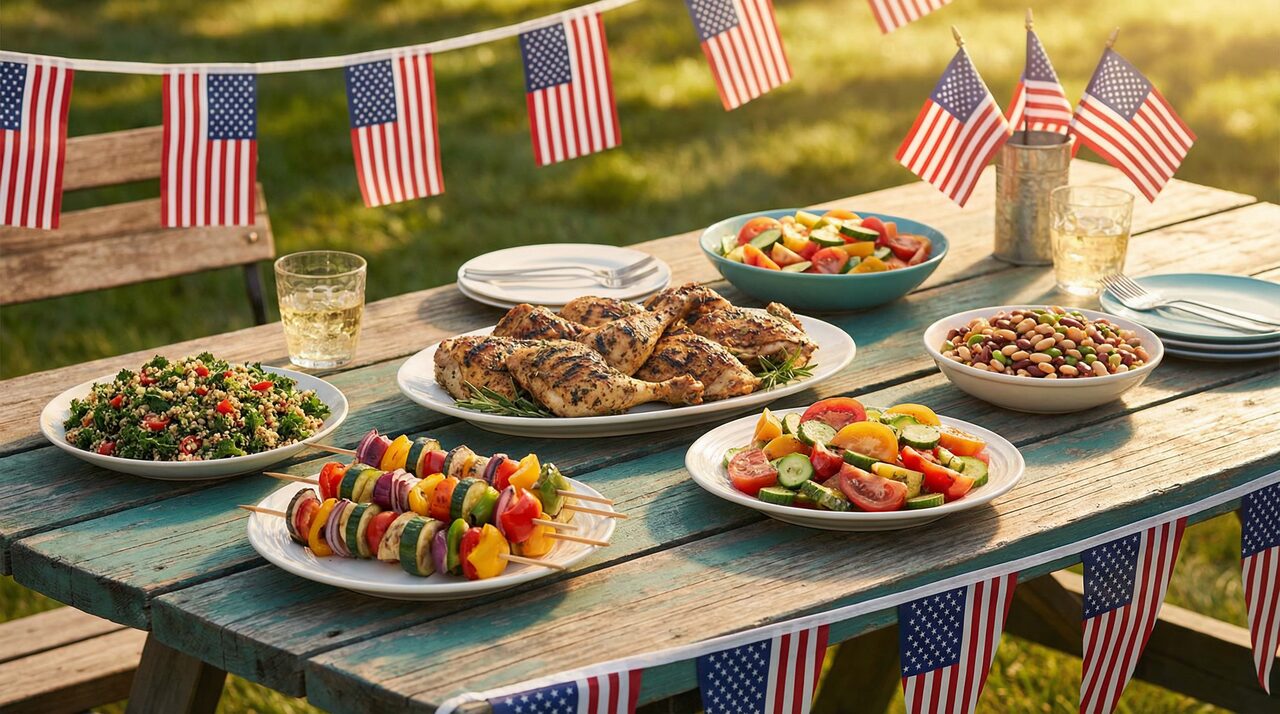
A barbecue can fit diabetes care, but it helps to plan before the plate is full. The main issues are usually carb sides, sauces, sodium, alcohol, heat, medicine timing, and food safety.
Quick summary
CDC holiday and meal-planning guidance supports balanced choices and glucose checks during celebrations. CDC food-safety guidance also matters because outdoor meals can leave foods in the temperature danger zone for too long.
Key takeaways
- Choose protein, vegetables, and the carb sides that matter most to you.
- Barbecue sauce, buns, chips, beans, desserts, and sweet drinks can all affect glucose.
- Processed meats, sauces, pickles, chips, and packaged sides can be high in sodium.
- Food safety is part of diabetes safety, especially during hot outdoor meals.
Plan the plate before the line
Look at all the food first. Choose a protein, add vegetables if available, and pick the carb foods you most want rather than sampling every starch automatically. If you use insulin or a medicine that can cause lows, ask your care team in advance how to handle delayed meals, alcohol, and extra activity.
Watch sauces and sodium
Barbecue sauce, ketchup, marinades, rubs, pickles, chips, deli salads, and processed meats can add sugar or sodium. AHA explains that sodium can affect blood pressure. Lower-sodium seasonings, vinegar-based slaws, grilled vegetables, and smaller sauce portions can help without making the meal joyless.
Food safety outdoors
CDC’s four steps are clean, separate, cook, and chill. Keep raw meat away from cooked foods, use clean utensils, cook proteins safely, and refrigerate leftovers promptly. Do not rely on color alone to know whether meat is cooked.
Kidney and heart caveats
People with kidney disease, heart failure, high blood pressure, or fluid restrictions may need stricter guidance for sodium, protein, potassium, phosphorus, and fluids. Ask for individualized advice rather than copying a barbecue plan online.
What to ask your care team
- How should I handle delayed meals, alcohol, or extra activity with my medicines?
- Which BBQ sides should I count as carbs?
- Do blood pressure, kidney disease, or heart failure change my sodium or fluid plan?
- How will food be kept safe during the event?
Practical takeaway
A safer diabetes BBQ plan protects the plate, the medicines, and the leftovers: planned carbs, lower-sodium choices, hydration, and clean food handling.
Safety note
Seek urgent care for severe low glucose, confusion, heat illness, repeated vomiting or diarrhea, dehydration, fever with food poisoning symptoms, chest pain, or high glucose with vomiting, ketones, dehydration, confusion, or trouble breathing. This information is general education and is not a substitute for medical care.
Source summary
- CDC: Diabetes meal planning. Explains the plate method, carb counting, portions, and individualized meal planning. Source
- CDC: Choosing healthy carbs. Explains carbohydrate quality, whole grains, fruit, fiber, and pairing carbs with protein, fat, or fiber. Source
- NIDDK: Healthy living with diabetes. Patient guidance on meals, snacks, activity, medicines, alcohol, sleep, and individualized care. Source
- CDC: Diabetes and kidney disease food. Explains why chronic kidney disease may change sodium, potassium, phosphorus, protein, and fluid advice. Source
- CDC: Preventing food poisoning. Food safety guidance built around clean, separate, cook, and chill. Source
- AHA: Sodium and salt. Explains sodium, blood pressure, and ways to reduce sodium in a heart-health pattern. Source