A diabetes diagnosis can feel overwhelming. The flood of information, the new routines, and the emotional weight of a chronic condition can make the first weeks particularly challenging. This guide provides a clear, step-by-step roadmap for your first 30 days.
Week 1: Absorb and Accept
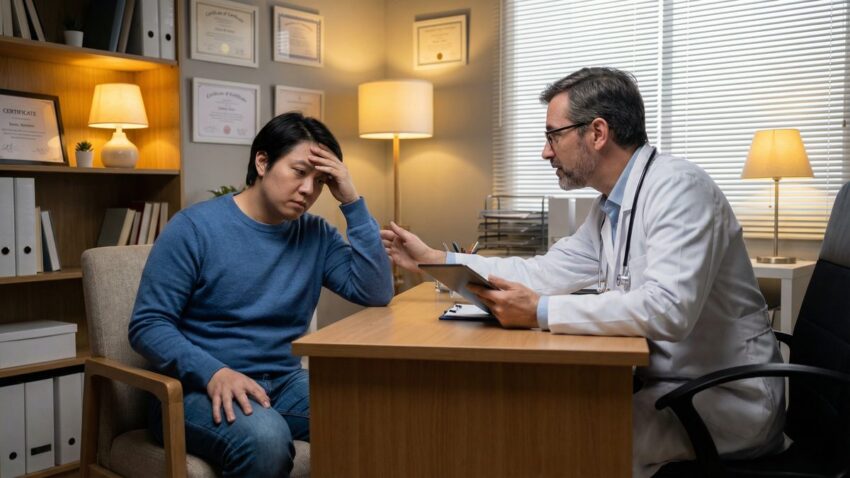
The first week after diagnosis is primarily about processing the news. It is entirely normal to experience shock, denial, anger, grief, and fear. Your immediate priorities: understand your medication, learn how to check your blood glucose, and attend any follow-up appointments. Do not try to learn everything at once.
ℹ️ Ask These Questions at Your First Appointment
What type of diabetes do I have? What is my HbA1c target? What medication am I taking and how does it work? What blood glucose range should I aim for? When should I check my blood sugar?
Week 2: Build Your Team
Identify the key members of your healthcare team: your GP or endocrinologist, a diabetes specialist nurse, a dietitian with diabetes expertise, and ideally a diabetes educator. In the UK, you are entitled to a structured diabetes education programme such as DESMOND (for Type 2) or DAFNE (for Type 1).
Week 3: Understand Food and Blood Sugar
You do not need to follow a special “diabetic diet”. The key principle is that carbohydrates raise blood glucose most directly. This does not mean eliminating carbohydrates, but rather being aware of portion sizes and choosing lower-glycaemic options where possible.
Week 4: Establish Sustainable Habits
Focus on consistency rather than perfection: regular medication, regular monitoring, regular movement, and regular meals. Small, sustainable changes compound into significant improvements over time.
✅ Key Takeaway
The first 30 days after a diabetes diagnosis are about building foundations, not achieving perfection. Focus on understanding your condition, building your healthcare team, and establishing a few key habits. You have time, and you are not alone.
 English
  Urdu
Urdu