Food & Nutrition

Portion Control and Carb Counting: A Visual Guide for Diabetes

Learn practical visual portion cues for carb counting with diabetes, including labels, the plate method, restaurant meals, and insulin caveats.

Short summary: Carb counting is easier when you combine labels, measuring practice, and simple visual cues. Visual estimates are useful in real life, but they are not exact enough to replace individualized insulin guidance.

Advertisement

Key takeaways

  • The CDC notes that many people with diabetes count carbohydrates to make blood sugar management easier.
  • On packaged foods, start with serving size, servings per container, and total carbohydrate.
  • One carbohydrate serving is often counted as about 15 grams of carbohydrate for meal planning.
  • People using mealtime insulin need a care-team plan for insulin-to-carb ratios and corrections.

Start with the label when you have one

The Nutrition Facts label is the most reliable starting point for packaged foods. First check the serving size and servings per container. Then check total carbohydrate. If you eat two servings, you need to count two servings of the listed carbohydrate amount.

The FDA emphasizes that serving size is based on what people typically eat or drink, not a recommendation for how much you should eat. That distinction matters. Your portion may be smaller or larger than the label serving.

Use visual cues when there is no label

Advertisement

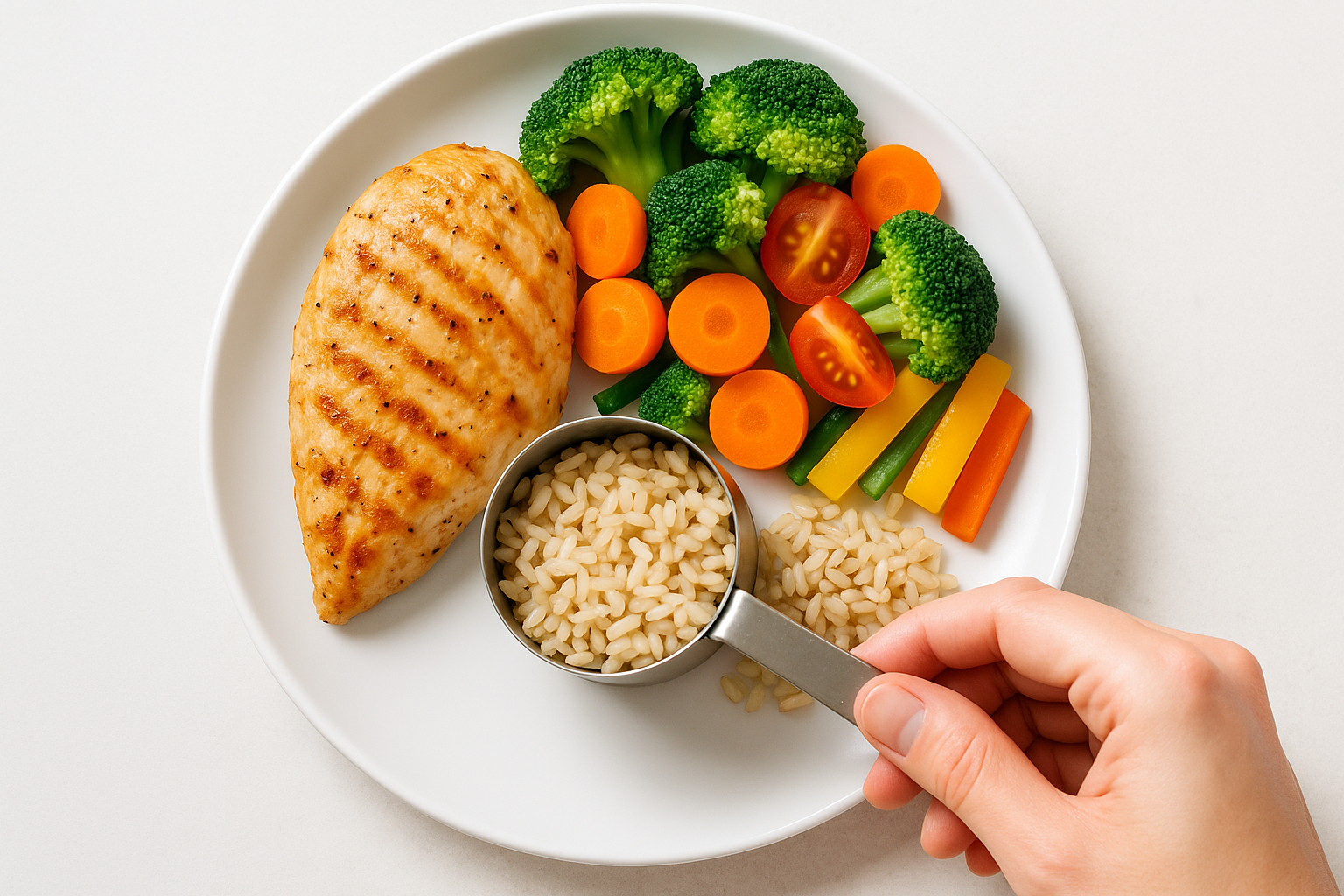
Restaurants, family meals, and home cooking often do not come with labels. Visual estimates can help. The ADA suggests practicing by measuring at home so your eye learns what portions look like.

  • One small piece of fruit: Often counted as about 15 grams of carbohydrate, depending on the fruit and size.
  • One slice of bread: Often close to one carb serving, but labels vary.
  • One third cup cooked rice: Often used as a rough 15-gram carbohydrate estimate.
  • Half cup cooked pasta or cereal: A common visual starting point, but recipes and brands differ.
  • Half cup beans or starchy vegetables: Usually needs counting as a carbohydrate food.

The plate method is the backup system

When carb counting feels too detailed, the plate method can make meals easier to build. The CDC describes a 9-inch plate with half nonstarchy vegetables, one quarter lean protein, and one quarter carbohydrate foods. Carb foods can include grains, starchy vegetables, rice, pasta, beans, fruit, yogurt, and milk.

This method does not replace exact carb counting for everyone, but it can reduce guesswork and help prevent very large portions of carbohydrate foods from taking over the meal.

Common mistakes

  • Counting only sugar and ignoring total carbohydrate.
  • Forgetting that drinks, sauces, milk, yogurt, fruit, and beans can contain carbs.
  • Using a label but missing that the package contains more than one serving.
  • Assuming restaurant portions match the portions you measure at home.
  • Adjusting mealtime insulin without a personal plan from the diabetes team.

Next steps for label reading and meal planning: net carbs vs total carbs, diabetes diet patterns, and glycemic index and glycemic load.

Practical takeaway

Measure common foods at home for a week, then use those mental images when eating out. Start with total carbohydrate, check the serving size, and ask your diabetes team how precise you need to be for your medicines and glucose goals.

Sources

Editorial review note: reviewed for medical accuracy, source consistency, insulin-safety caveats, practical nutrition guidance, and plain-language readability before publication.

Spread the love
Advertisement

Leave a comment