
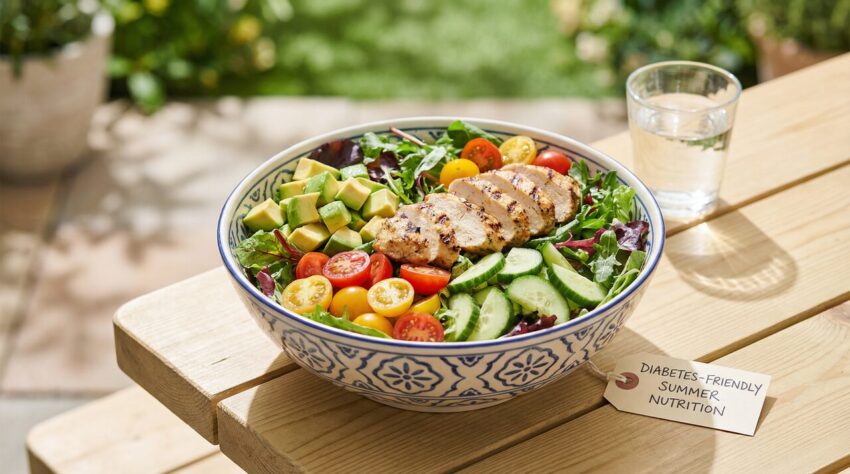
The Satisfying Summer Salad: A Diabetes-Friendly Approach to Feeling Full
Summer, with its abundant fresh produce, naturally beckons us towards lighter, more refreshing meals. For individuals navigating the complexities of diabetes, however, enjoying these seasonal delights while simultaneously maintaining stable blood sugar levels and achieving genuine satiety can, at times, present a considerable challenge. Fortunately, summer salads, when meticulously crafted, offer a delicious and remarkably filling solution, proving to be a potent ally in diabetes management. This article delves into the fascinating science underpinning satiety, providing a comprehensive guide to constructing summer salads that not only delight the palate but also foster lasting fullness and sustained energy.
The Science of Satiety: Why Salads Can Be Filling (and How to Make Them More So)
To truly master the art of creating effective, diabetes-friendly meals, one must first understand the mechanisms that govern our perception of fullness. Satiety, that welcome sensation of fullness and the subsequent suppression of hunger, is a complex interplay of several factors. These include a food’s macronutrient profile, its sheer volume, and, crucially, its impact on our blood glucose levels. Salads, by their very nature and inherent versatility, provide an exceptional canvas upon which to optimise these critical elements.
Beyond Just Greens: The Power of Protein
Protein, without question, forms a cornerstone of satiety. It effectively slows digestion, thereby helping to stabilise blood sugar levels and extend the feeling of fullness [1]. For those managing diabetes, this particular benefit is invaluable, as it can actively prevent rapid glucose spikes and the subsequent, often unwelcome, crashes. Consequently, incorporating ample protein into your summer salads is not merely a suggestion but an essential strategy.
When considering lean protein sources, the options are plentiful and appealing. Grilled chicken or turkey breast, baked salmon or tuna, and hard-boiled eggs are all excellent choices. For those preferring plant-based alternatives, chickpeas, lentils, and black beans offer robust protein contributions. Even low-fat dairy products, such as crumbled feta or cottage cheese, can subtly boost protein intake while simultaneously enhancing flavour and textural complexity. Imagine, for instance, how a generous serving of grilled chicken can dramatically amplify a salad’s satiating power, transforming it from a mere side dish into a complete and satisfying meal.
Fibre: Your Digestive Ally
Fibre, particularly its soluble form, plays an indispensable role in promoting satiety and bolstering digestive health. It effectively adds bulk to meals, crucially without contributing significant calories, thus encouraging faster and more prolonged feelings of fullness [2]. Moreover, fibre is instrumental in decelerating glucose absorption, a mechanism of paramount importance for blood sugar management in individuals with diabetes.
Leafy greens, such as spinach, kale, and romaine lettuce, naturally form excellent fibrous bases for virtually any salad. Yet, we needn’t stop there; a vast array of non-starchy vegetables—think cucumbers, bell peppers, broccoli florets, and shredded carrots—can substantially elevate fibre intake. Furthermore, whole grains like quinoa, barley, and farro not only provide beneficial complex carbohydrates but are also rich in fibre, imparting a pleasing chewiness to your salad. Even certain fruits, when selected judiciously and consumed in appropriate portions, contribute valuable fibre; berries and chopped apples, for example, are particularly commendable choices in this regard.
Healthy Fats for Lasting Satisfaction
Healthy fats, though occasionally misunderstood, are undeniably vital for overall well-being and contribute significantly to satiety. They enhance a meal’s flavour and palatability and, much like protein, slow gastric emptying, thereby prolonging the feeling of fullness [3]. However, it is worth noting that precise portion control remains absolutely critical, given the calorie-dense nature of fats.
Avocado, a veritable treasure trove of monounsaturated fats, imparts a luxurious creamy texture and substantial satiety to salads. Nuts, such as almonds and walnuts, and various seeds, including chia, flax, and sunflower, offer a trifecta of healthy fats, fibre, and protein, culminating in a satisfying crunch. For dressings, we strongly advocate for olive oil-based vinaigrettes. These provide heart-healthy monounsaturated fats without the often-unwanted added sugars and less healthy ingredients frequently encountered in commercially prepared options.
Building Your Perfect Summer Salad: A Diabetes-Friendly Guide
Crafting a truly satisfying and diabetes-friendly summer salad involves a thoughtful and strategic layering of ingredients, ensuring a harmonious balance of macronutrients and an explosion of flavours.
The Foundation: Nutrient-Dense Greens
Always begin with a generous base of dark, leafy greens. These are, in essence, nutritional powerhouses, brimming with vitamins, minerals, and essential fibre. Spinach, kale, arugula, and mixed greens all represent superb choices, providing a robust and healthy foundation for your culinary creation.
Load Up on Non-Starchy Vegetables
Variety, as the saying goes, is not merely the spice of life but also the very essence of a nutrient-rich salad. We encourage incorporating a vibrant, colourful assortment of non-starchy vegetables. Consider cherry tomatoes, crisp cucumbers, radiant bell peppers, thinly sliced radishes, crunchy jicama, and even lightly steamed green beans. Each addition contributes texture, flavour, and vital nutrients without significantly impacting blood sugar levels.
Power Up with Protein Sources
To ensure your salad is genuinely filling and effectively aids in blood glucose management, the inclusion of a substantial protein component is non-negotiable. Whether it’s grilled chicken or fish, hard-boiled eggs, or a hearty scoop of chickpeas or lentils, these elements will transform your salad into a complete and deeply satisfying meal. Interestingly, combining both animal and plant-based proteins can also offer a broader spectrum of nutrients, enhancing the overall nutritional profile.
Smart Carbohydrates: Whole Grains and Fruits
While vigilant carbohydrate management is undeniably crucial for individuals with diabetes, this certainly does not imply their complete elimination. Instead, the focus should shift to complex carbohydrates derived from whole grains and fibre-rich fruits, consumed in carefully controlled portions. A modest serving of cooked quinoa, farro, or barley can introduce a delightful texture and provide sustained energy. For a touch of natural sweetness, a handful of fresh berries or a few slices of chopped apple can be incorporated, always keeping their natural sugar content in mind.
Flavour Boosters and Healthy Dressings
Enhance the intrinsic taste of your salad without, importantly, compromising its health benefits. Fresh herbs, such as basil, mint, and coriander, alongside spices like black pepper and a mere pinch of chilli flakes, can wonderfully elevate the flavour profile. When it comes to dressings, homemade vinaigrettes invariably surpass many store-bought alternatives.
“Making your own salad dressing allows you to control the quality of ingredients, especially the type of oil, sodium content, and added sugars, which is crucial for diabetes management.”
A deceptively simple vinaigrette, expertly crafted with extra virgin olive oil, apple cider vinegar or fresh lemon juice, and a dash of herbs and spices, is both exquisitely delicious and perfectly diabetes-friendly. Nuts and seeds, when used judiciously, can also impart a gratifying crunch and contribute beneficial healthy fats.
Summer Salad Recipe Ideas
To spark your culinary imagination, here are a few concise ideas for diabetes-friendly summer salads:
Mediterranean Chickpea Salad
Combine cooked chickpeas, finely diced cucumber, vibrant cherry tomatoes, briny Kalamata olives, and a light sprinkling of low-fat feta cheese. Dress this delightful mix with a lemon-herb vinaigrette, prepared with olive oil, fresh lemon juice, fragrant oregano, and just a hint of garlic.
Grilled Chicken and Berry Salad
Begin with a generous bed of mixed greens, then artfully arrange sliced grilled chicken breast, a scattering of fresh strawberries or blueberries, a few slivered almonds, and a light balsamic vinaigrette.
Quinoa and Black Bean Fiesta Salad
Blend cooked quinoa with hearty black beans, sweet corn kernels, diced bell peppers, and a generous portion of creamy avocado. A zesty dressing of lime juice, fresh coriander, and a subtle hint of cumin will truly bring this vibrant salad to life.
Key Takeaways
- Prioritise protein and fibre in your summer salads to enhance satiety and effectively manage blood sugar.
- Include healthy fats from sources like avocado, nuts, and olive oil for sustained fullness.
- Opt for nutrient-dense leafy greens and a diverse array of non-starchy vegetables as your foundational base.
- Be mindful of portion sizes for whole grains and fruits to carefully control carbohydrate intake.
- Prepare homemade dressings to avoid the hidden sugars and unhealthy fats often found in many store-bought options.
Conclusion
Summer salads, we contend, present a truly fantastic opportunity to savour fresh, flavourful, and deeply satisfying meals while simultaneously achieving effective diabetes management. By deliberately focusing on a balanced combination of lean proteins, abundant fibre, and healthy fats, one can create salads that not only taste magnificent but also keep you feeling full, energised, and, crucially, in control of your blood sugar. We encourage you to experiment boldly with different ingredients and flavour profiles to uncover your own personal favourite combinations. Remember, a meticulously constructed salad is far more than just a mere side dish; it is, in fact, a powerful and delicious instrument for fostering a healthier you. As always, for personalised dietary advice tailored to your specific needs, we strongly recommend consulting your healthcare provider or a registered dietitian.
References
[1] Paddon-Jones, D., Westman, E. C., Baar, E. R., et al. (2008). Protein, weight management, and satiety. The American Journal of Clinical Nutrition, 87(5), 1558S–1561S. https://academic.oup.com/ajcn/article/87/5/1558S/4650426
[2] Slavin, J. L. (2005). Dietary fibre and body weight. Nutrition, 21(3), 411–418. https://pubmed.ncbi.nlm.nih.gov/15797686/
[3] Rolls, B. J., Castellanos, V. H., Halford, J. C. G., et al. (1998). The effect of fat on the satiety value of foods. The American Journal of Clinical Nutrition, 68(5), 978–984. https://academic.oup.com/ajcn/article/68/5/978/4650462
 English
  Urdu
Urdu