Omega-3 fatty acids are among the most extensively studied dietary supplements in cardiovascular medicine. For people with diabetes — who face elevated triglycerides, increased cardiovascular risk, and chronic inflammation — the question of whether omega-3 supplements provide meaningful benefit is both clinically important and surprisingly nuanced. What Are Omega-3 Fatty Acids? Omega-3 fatty acids are…

Category: Type 2 diabetes
Cholesterol and Diabetes: Your Complete Guide to Diabetic Dyslipidaemia
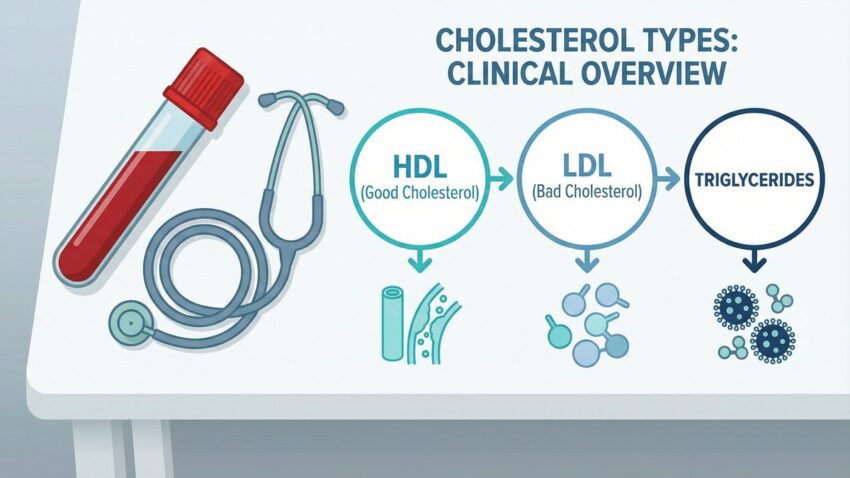
Diabetes profoundly disrupts cholesterol metabolism in ways not always reflected in a standard cholesterol test. Even when total cholesterol appears normal, people with diabetes often have a particularly dangerous lipid profile — one that significantly accelerates cardiovascular disease. Understanding “diabetic dyslipidaemia” is essential for protecting your heart. What Is Diabetic Dyslipidaemia? Diabetic dyslipidaemia is characterised…
Blood Pressure Management with Diabetes: Your Complete Guide
High blood pressure and diabetes are a particularly dangerous combination. Together, they accelerate damage to blood vessels, kidneys, eyes, and nerves at a rate far greater than either condition alone. Yet hypertension produces no symptoms until serious damage has already occurred — making regular monitoring and proactive management essential. How Common Is Hypertension in Diabetes?…
Heart-Healthy Eating with Diabetes: A Practical Guide
When you have diabetes, every meal is an opportunity to protect both your blood sugar and your heart. The dietary patterns most effective for cardiovascular protection are largely the same ones that improve glucose control — making a heart-healthy diet one of the most powerful tools in your diabetes management arsenal. The Two Evidence-Based Dietary…
GLP-1 Medications and Heart Protection: What the Evidence Shows
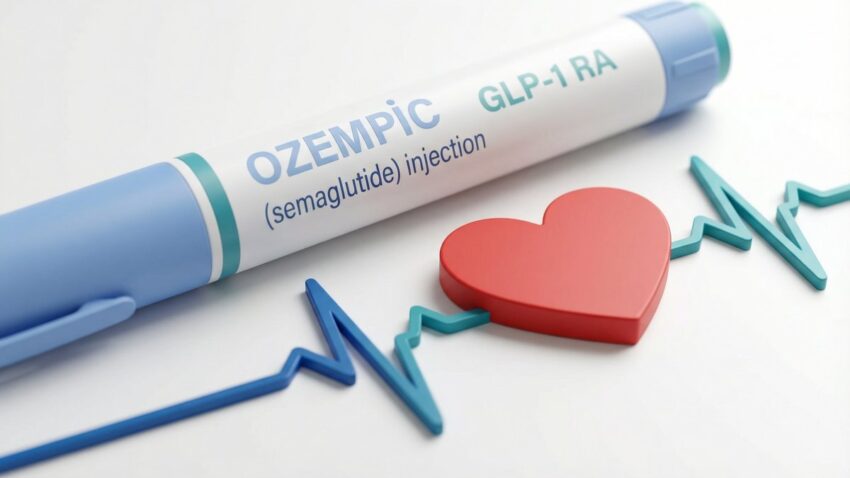
GLP-1 receptor agonists were originally developed to lower blood sugar. What researchers discovered in subsequent cardiovascular outcome trials was something far more significant: these medications actively protect the heart, reduce the risk of stroke, and lower cardiovascular mortality — benefits that extend well beyond glucose control. The Landmark Cardiovascular Outcome Trials Trial Drug Key Finding…
Diabetes and Heart Disease: Understanding Your Risk
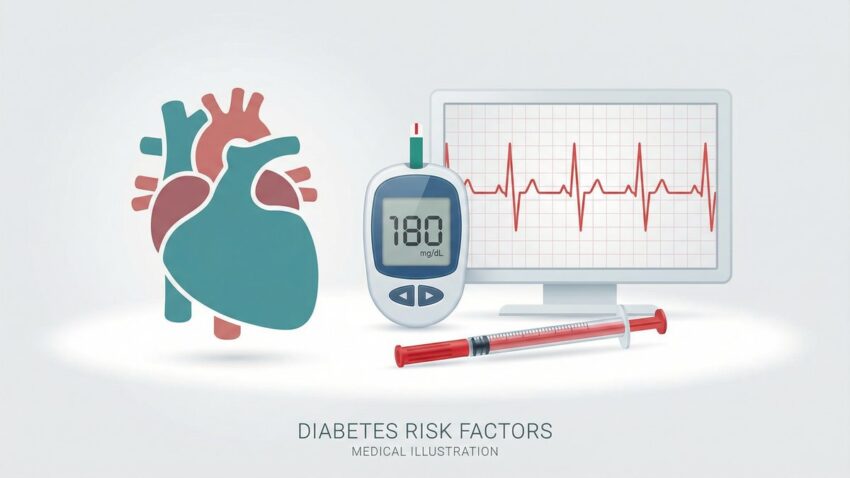
People with diabetes face a cardiovascular risk two to four times higher than the general population. Heart disease remains the leading cause of death among those living with both type 1 and type 2 diabetes — yet the majority of these events are preventable with the right knowledge and consistent management. Why Diabetes and Heart…
Muscle Loss on GLP-1 Medications: How to Preserve Lean Mass
GLP-1 receptor agonists produce impressive weight loss, but a significant proportion of that weight can come from muscle rather than fat. Understanding how to minimise muscle loss while on these medications is essential for long-term metabolic health and functional capacity. The Muscle Loss Problem Clinical trials show that approximately 25–40% of weight lost on GLP-1…
Talking to Family About Your Diabetes: A Practical Guide
Talking to family members about your diabetes can be one of the most challenging aspects of living with the condition. Whether you are newly diagnosed or have had diabetes for years, finding the right words — and setting the right boundaries — can make a significant difference to your wellbeing and your relationships. How to…
Metformin: Still the Best First-Line Treatment for Type 2 Diabetes?
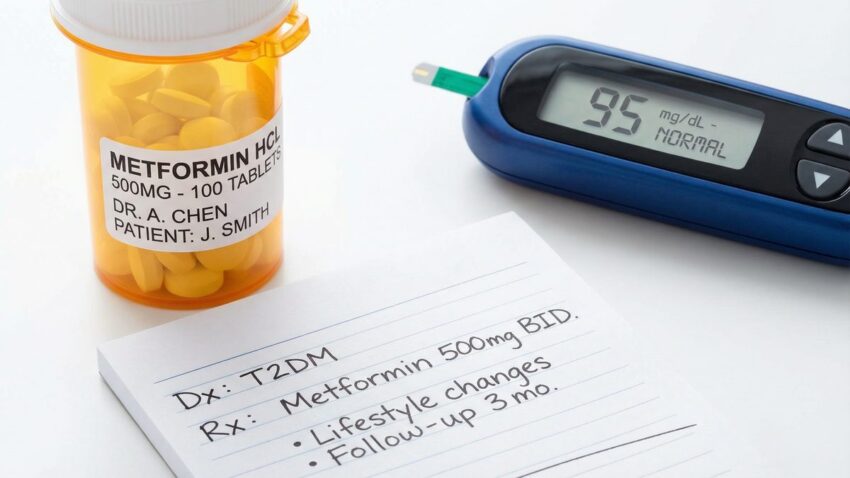
Metformin has been the cornerstone of Type 2 diabetes treatment for over 60 years. With newer, more glamorous medications capturing headlines, it is worth examining what metformin still does exceptionally well — and where its limitations lie. Why Metformin Has Remained First-Line The landmark UKPDS demonstrated that metformin reduces cardiovascular mortality in overweight people with…
Sleep and Blood Sugar: The Critical Connection You Cannot Ignore
Sleep is one of the most powerful yet underutilised tools in diabetes management. A single night of poor sleep can raise fasting blood glucose, increase insulin resistance, and trigger cravings for high-carbohydrate foods. Prioritising sleep quality is not optional; it is a clinical necessity. How Sleep Deprivation Affects Blood Sugar Sleep deprivation increases circulating levels…