Type 2 diabetes is the most common form of diabetes, affecting around 90% of all people with the condition. It develops when the body becomes resistant to insulin or stops producing enough of it, causing blood glucose to rise.
Most people are diagnosed in adulthood, often after a routine blood test. Many have lived with raised glucose for years before symptoms appear.
What you’ll find in our complete guide
- Symptoms, risk factors, and who’s most at risk
- How type 2 diabetes is diagnosed (HbA1c, fasting glucose, OGTT)
- Diet and lifestyle treatment
- Modern medications — metformin, GLP-1 agonists, SGLT2 inhibitors
- When and how remission is possible
Latest articles on Type 2 Diabetes
The twice-yearly shift for daylight saving time can feel like a minor inconvenience for most, but for people with diabetes,
Diabetes affects men and women differently. Hormonal fluctuations across the menstrual cycle, pregnancy, and menopause create unique blood sugar management
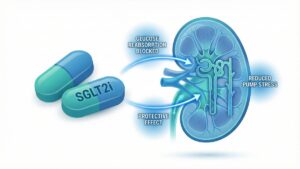
Alongside GLP-1 agonists, the other superstar class of medications for kidney protection in diabetes is the SGLT2 inhibitors. Drugs like
See also: Diabetes Complications: Heart, Kidney, Eye, and Foot Health — our complete pillar guide. For people with diabetes and
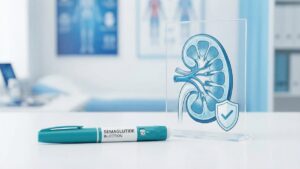
GLP-1 medicines may protect kidneys in selected people with type 2 diabetes and CKD. Learn what FLOW showed and what
Spring is a time for renewal, making it the perfect opportunity to refresh your pantry. For people with diabetes, a
See also: Diabetes Complications: Heart, Kidney, Eye, and Foot Health — our complete pillar guide. Your kidneys are among the
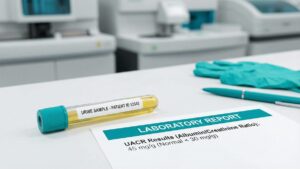
When it comes to protecting your kidneys from the effects of diabetes, early detection is everything. The single most important
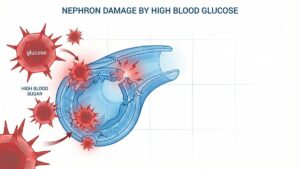
For millions of people living with diabetes, managing blood sugar is the primary focus. But a silent, serious complication often
February is Heart Health Month — and the perfect time to take stock of where your cardiovascular health stands. This